
Inflatable Door Seals for Static Discharge
Static-Dissipative Inflatable Sealing for Critical Industrial & Pharmaceutical Applications
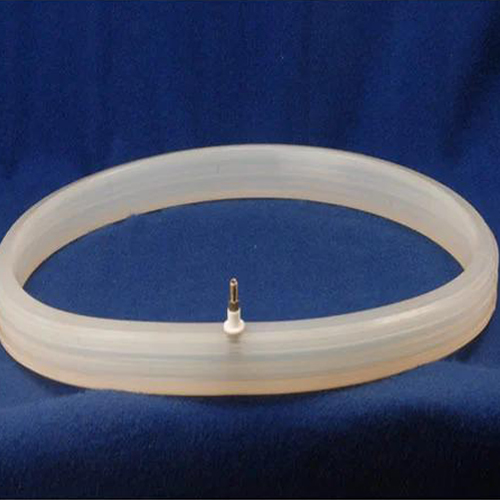
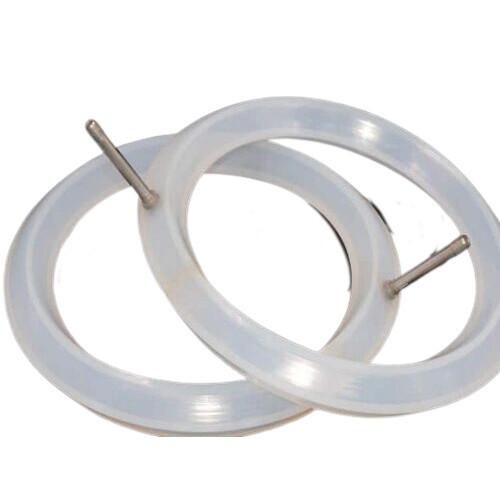
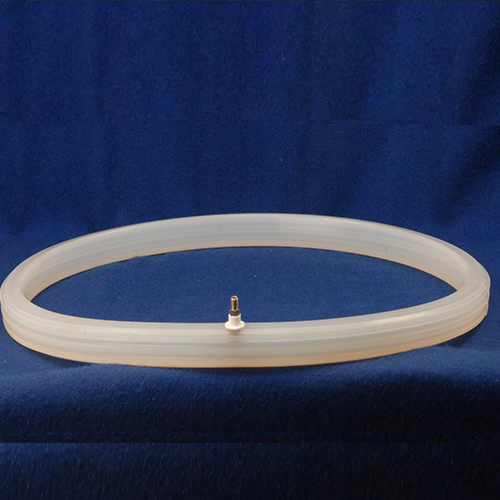
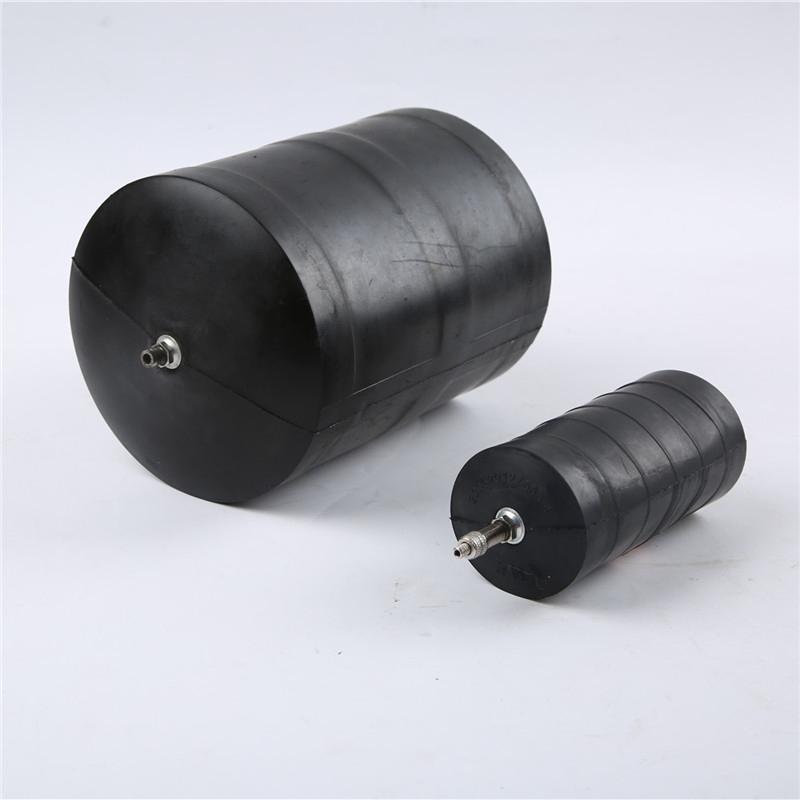
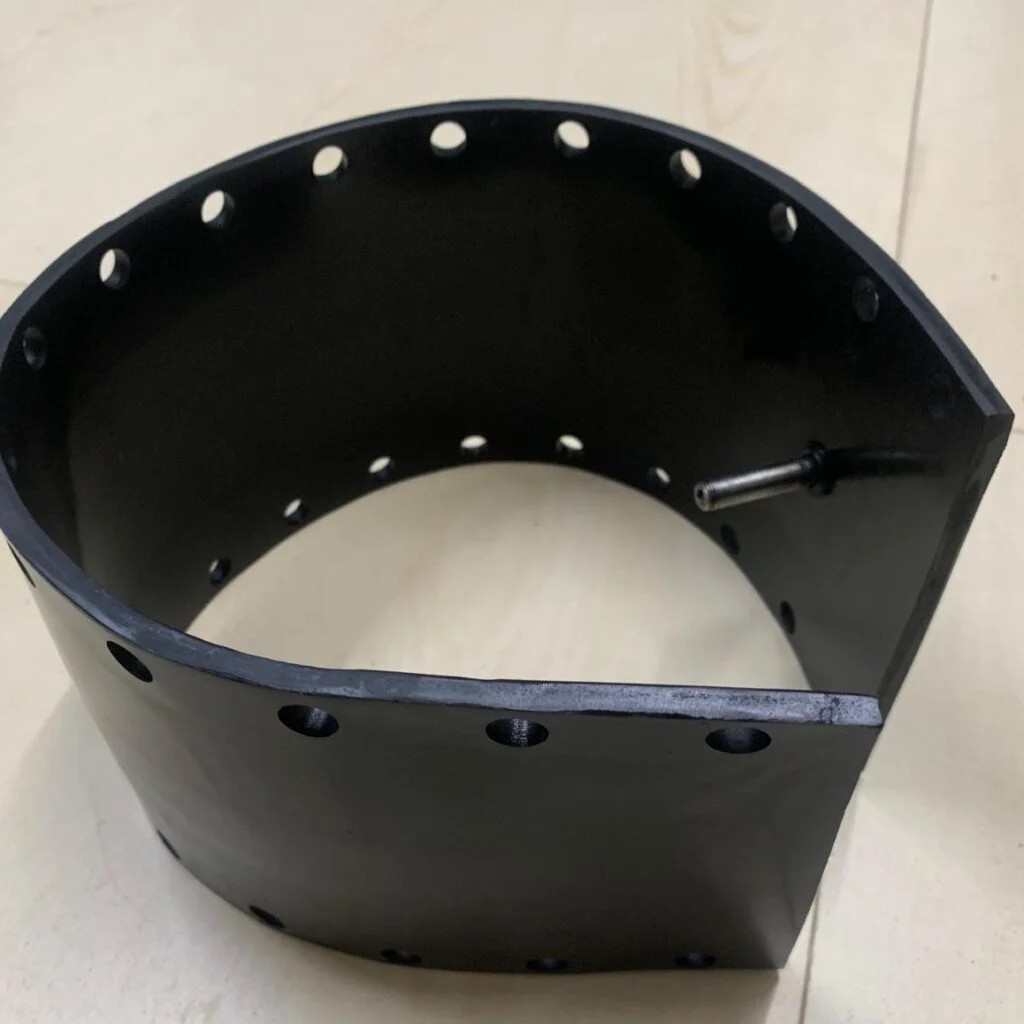
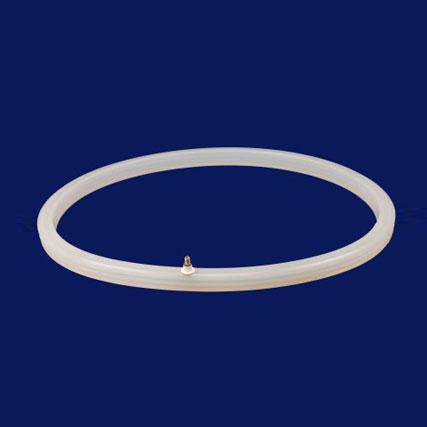
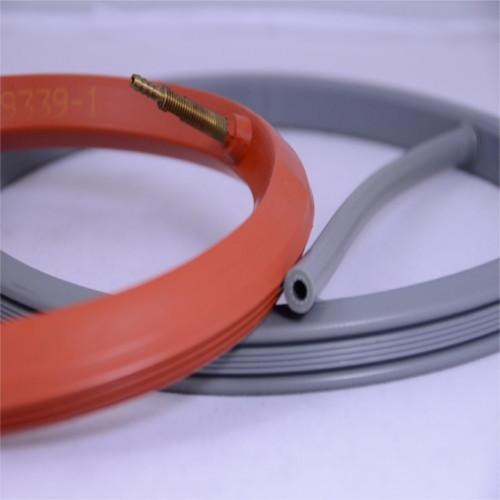
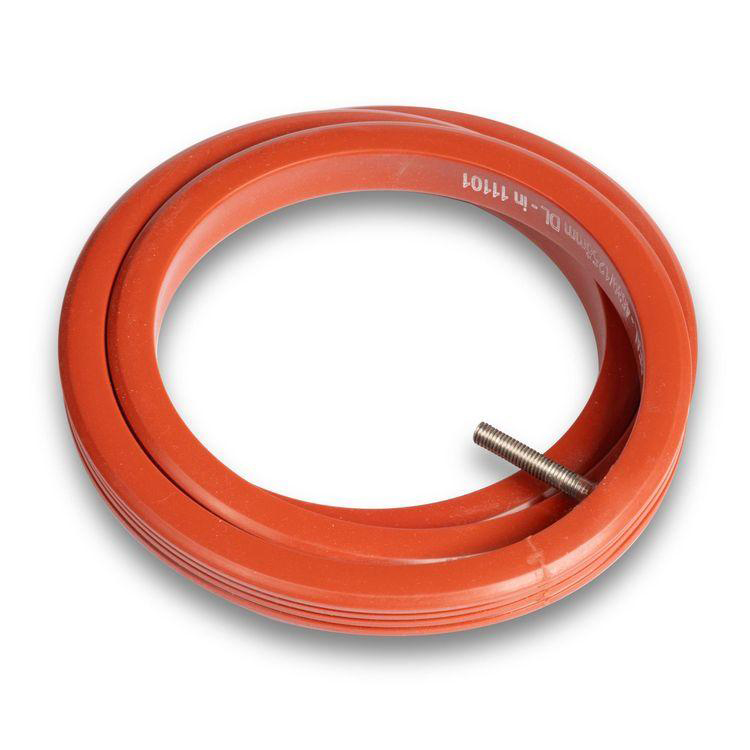
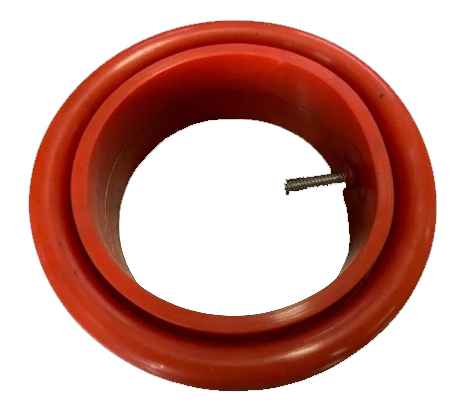
Inflatable Door Seals for Static Discharge are specially engineered pneumatic sealing components designed to provide reliable door sealing while helping dissipate electrostatic charge in applications where static electricity can create safety, product-quality or contamination concerns.
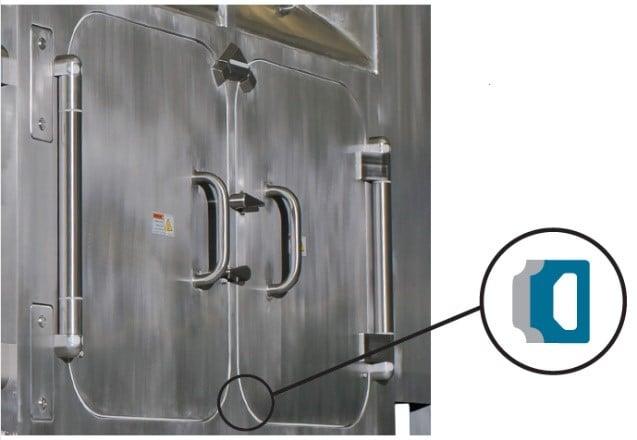
These seals combine the flexible, low-force operation of an inflatable seal with a specially formulated static-dissipative silicone compound. When the door is closed, controlled inflation expands the seal against the surrounding frame and creates a secure sealing barrier. When deflated, the seal retracts to allow the door to open easily.
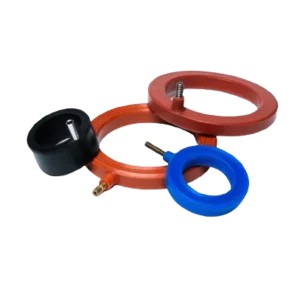
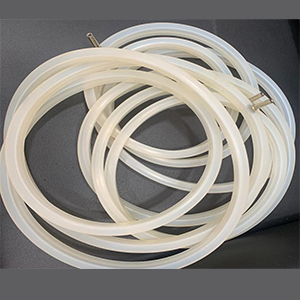
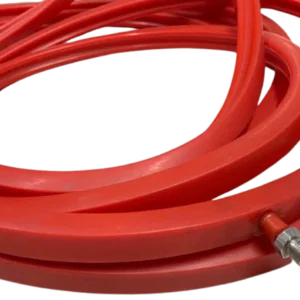
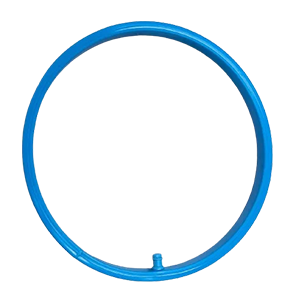
Bombay Rubber & Carbon Works’s WSDS — Western Static Dissipative Silicone is specifically developed for inflatable sealing applications requiring static discharge control. The manufacturer’s product information identifies applications in pharmaceutical FBD/FBP equipment and highlights antistatic silicone available in blue, white and other colours.
Why Static-Dissipative Sealing?
Static electricity can accumulate through friction, movement, powder handling and separation of materials. In environments containing combustible powders, solvents or sensitive products, uncontrolled electrostatic discharge can create significant operational risks. A static-dissipative inflatable seal provides a controlled path for dissipating electrostatic charge while maintaining the required sealing function. This is particularly relevant to pharmaceutical processing equipment, where powders and volatile solvents can be present during processing. Bombay Rubber & Carbon Works specifically highlights static discharge concerns in Fluid Bed Dryers and Fluid Bed Processors.
| Parameter | Typical / Available Specification |
|---|---|
| Product | Inflatable Door Seal for Static Discharge |
| Seal Type | Pneumatic / Inflatable Door Seal |
| Material | Static-Dissipative Silicone |
| Featured Material | WSDS – Western Static Dissipative Silicone |
| Material Hardness | Typically around 70 Shore A; compound dependent |
| Activation Medium | Compressed Air |
| Expansion | Application-specific |
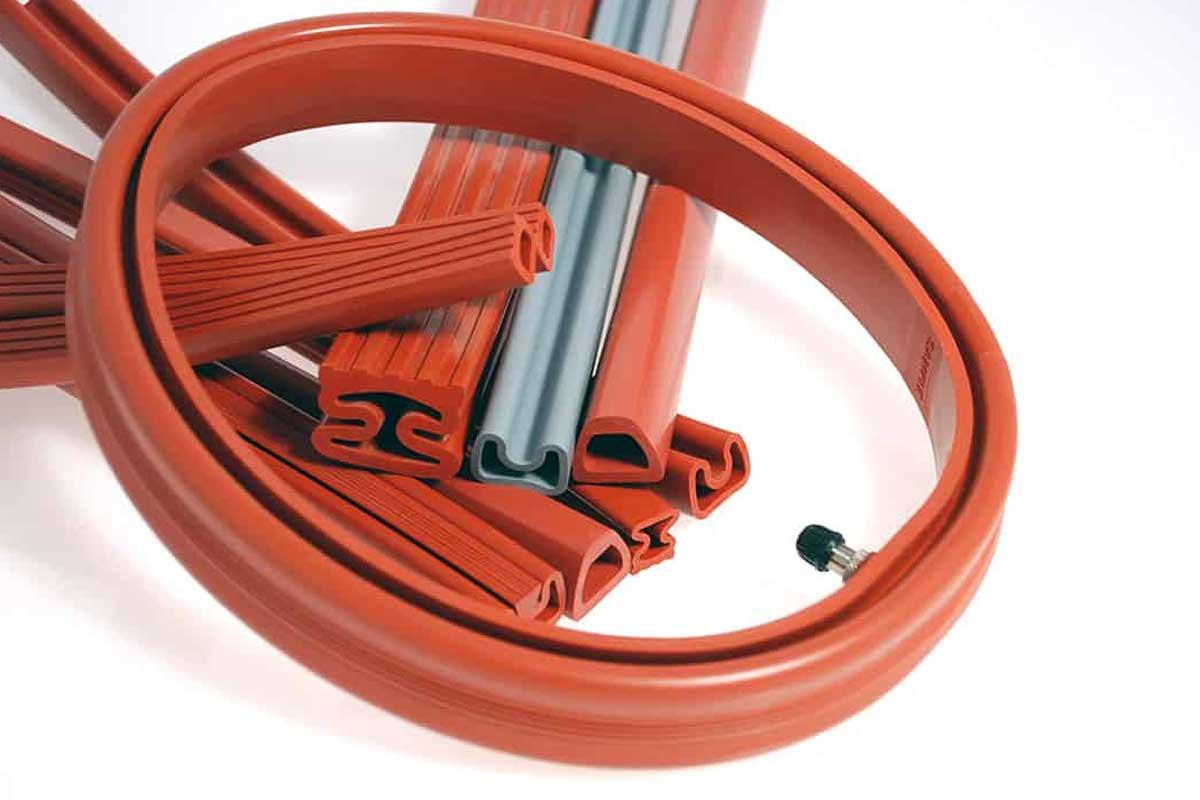
| Profile | Custom Inflatable Door Profile |
| Colour | Blue, White & Customized Colours |
| Inflation Pressure | Application-dependent |
| Surface Resistance | Compound / formulation dependent |
| Temperature Range | Application and compound dependent |
| Construction | Extruded / Moulded / Customized |
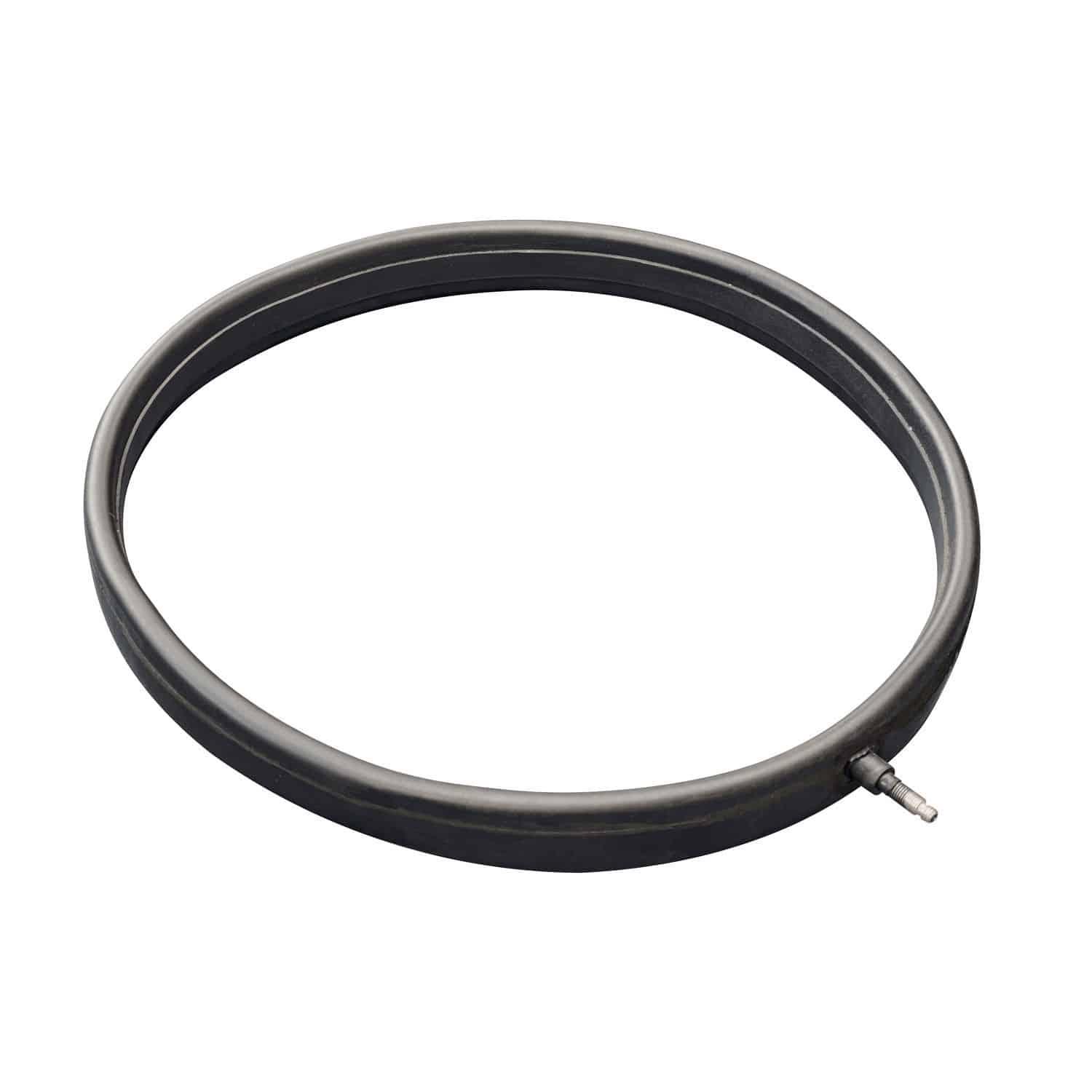
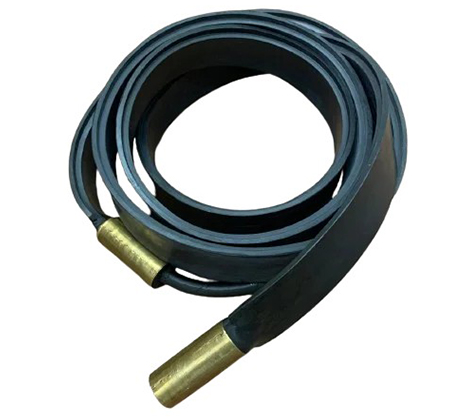
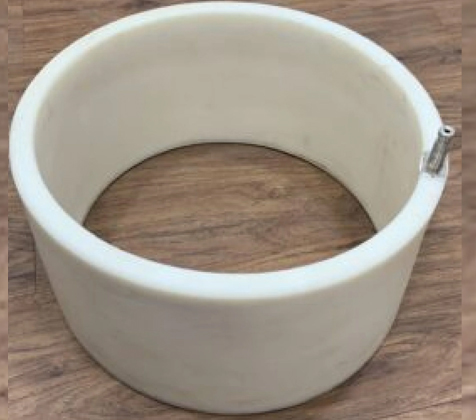
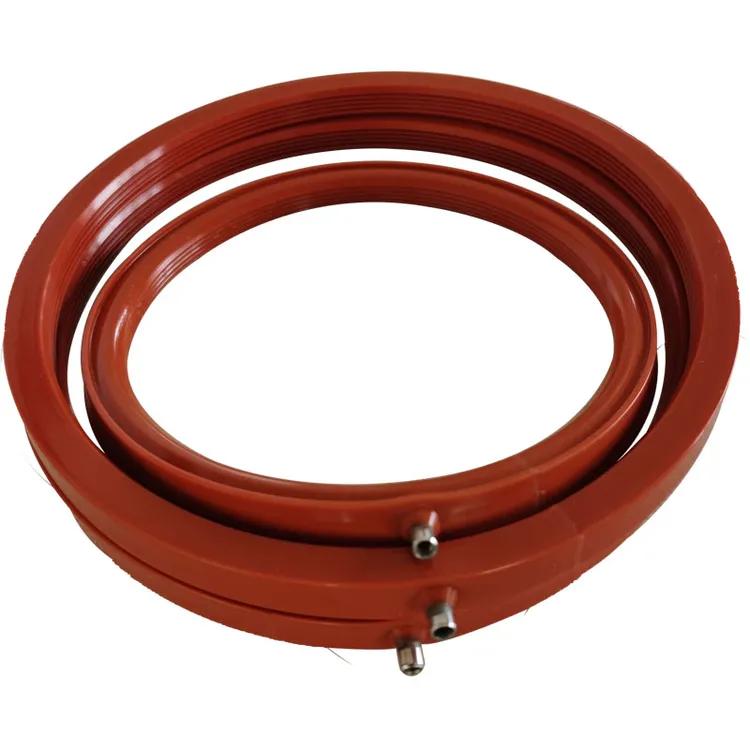
| Configuration | Straight, Endless, Ring or Custom Shape |
| Connection | Customized Inflation Port / Valve |
| Reinforcement | Optional, application dependent |
| Certification | FDA / food-contact and other certificates available for applicable compounds |
| Application | FBD, FBP, pharmaceutical machinery, controlled environments & specialized doors |
The manufacturer’s product information specifies WSDS antistatic silicone and lists FDA and European conformity documentation for the product range. Exact electrical resistance, temperature range and pressure capability should be confirmed from the selected compound and final seal design.
- Static-dissipative silicone construction
- Pneumatically activated sealing
- Designed for controlled electrostatic charge dissipation
- Excellent flexibility
- Reliable door and frame sealing
- Quick inflation and deflation
- Low opening and closing force
- Suitable for repeated door cycles
- Helps minimize static-charge accumulation
- Available in customized profiles
- Available in blue, white and other colours
- Suitable for pharmaceutical processing equipment
- Suitable for controlled and critical environments
- Custom dimensions and configurations available
- Optional specialized valves and connection arrangements
- Food/pharmaceutical-grade material options available where required
The manufacturer identifies its WSDS material as an antistatic silicone and states that it is available in any colour.
Wsds – Western Static Dissipative Silicone
WSDS is a specialized silicone formulation developed for applications where inflatable sealing and static-charge dissipation are required together.Key characteristics:
• Static-dissipative performance
• Silicone-based construction
• Flexible inflatable structure
• Suitable for pharmaceutical applications
• Available in blue and white
• Other colours available on request
• Suitable for customized inflatable profiles
Bombay Rubber & Carbon Works specifically identifies WSDS as its Western Static Dissipative Silicone and states that antistatic silicone is available in any colour.
FDA / Food-Grade Silicone Options
Where the process requires food or pharmaceutical-grade materials, appropriately certified silicone compounds can be selected.Available documentation may include:
• FDA compliance documentation
• European food-contact conformity
• TSE/BSE-free certification
• Phthalate-free certification
• Material test certificates
• Static-dissipative test certificates
The exact certificate package depends on the selected compound and intended application.
Electrical / Static Performance
Static-dissipative performance should be specified according to the actual equipment design rather than treating all antistatic silicone as having the same electrical properties.For example, published inflatable silicone gasket data from another specialist manufacturer describes static-dissipative formulations in the 10⁷–10⁹ Ω·cm range. The exact value must be established from the compound’s test certificate and agreed test method.
IMPORTANT: For effective static control, the seal should be incorporated into a properly engineered bonding and grounding system. The seal’s electrical properties alone do not guarantee that an entire machine or enclosure is protected against electrostatic discharge.
Recommended for: Pharmaceutical FBD, FBP, controlled environments, and critical industrial applications requiring static management.
Advantages Over Conventional Door Gaskets
Active SealingUnlike a conventional compression gasket, an inflatable seal is actively expanded using controlled pressure.
Easy Door Operation
When deflated, the seal retracts and reduces interference between the door and frame.
Static Control
A specially formulated static-dissipative compound can help control electrostatic charge accumulation.
Variable Gap Compensation
Inflation allows the seal to accommodate certain variations in the door-to-frame gap.
Longer Sealing Performance
Properly designed inflatable seals can avoid some of the permanent compression issues associated with continuously compressed conventional gaskets.
Custom Engineering
Profiles, dimensions, materials, inflation ports and connection arrangements can be developed according to equipment requirements.
How It Works
1. Door OpenThe inflatable seal remains deflated, keeping the seal retracted and providing clearance between the door and frame.
2. Door Closed
The equipment door is brought into its closed position.
3. Inflation
Controlled air pressure is introduced into the inflatable seal.
4. Seal Expansion
The seal expands and presses against the mating surface, creating a continuous sealing barrier.
5. Static Dissipation
The static-dissipative material helps provide controlled dissipation of electrostatic charge where the installation is properly designed and electrically bonded/grounded.
6. Deflation
At the end of the process, inflation pressure is released and the seal retracts, allowing the door to open with minimal resistance.
Custom Design & Manufacturing
Every pharmaceutical and industrial machine has different door dimensions, groove geometry and operating conditions.Customized inflatable door seals can be developed based on:
• Door drawing
• Groove dimensions
• Seal cross-section
• Door-to-frame gap
• Required expansion
• Inflation pressure
• Operating temperature
• Static-dissipation requirement
• Required electrical resistance
• Cleaning procedure
• Chemical exposure
• Number of operating cycles
• Required certifications
• Inflation valve location
A customer sketch, drawing or existing seal sample can be used as the basis for developing the required profile. Bombay Rubber & Carbon Works’s product page specifically invites customers to provide a sketch or drawing for customized development.
Quality & Certification
Depending on the selected material and application, documentation can include:• FDA compliance
• European food-contact conformity
• TSE/BSE-free certificate
• Phthalate-free certificate
• WSDS static-dissipative certificate
• Material test report
• Laboratory test certificate
• Certificate of Conformity
The exact certification package should be confirmed against the final compound and application.
Engineered for Safe, Controlled Sealing
Inflatable Door Seals for Static Discharge — Combining reliable pneumatic sealing with static-dissipative performance for demanding pharmaceutical and industrial applications.Static Dissipation | Reliable Sealing | Easy Door Operation | Custom Profiles | Pharmaceutical Applications | Controlled Environments
Pharmaceutical Industry
One of the primary applications for static-dissipative inflatable seals is pharmaceutical processing equipment.Applications include:
• Fluid Bed Dryers (FBD)
• Fluid Bed Processors (FBP)
• Fluid Bed Coaters
• Tablet coating equipment
• Processing chambers
• Pharmaceutical equipment doors
• Powder-processing machinery
Bombay Rubber & Carbon Works specifically identifies its WSDS inflatable seal for pharmaceutical FBD and FBP applications.
Fluid Bed Dryers & Processors
Fluid Bed Dryers and Processors can involve the movement of pharmaceutical powders and, depending on the process, volatile solvents. Electrostatic charge can develop during powder movement and processing. A properly selected static-dissipative inflatable gasket can help manage electrostatic charge while providing the required airtight sealing of the equipment.Benefits include:
• Reliable chamber sealing
• Static-charge dissipation
• Easy opening and closing
• Reduced mechanical compression
• Repeatable sealing cycles
• Suitable for pharmaceutical processing environments
Bombay Rubber & Carbon Works specifically states that static discharge in FBD operation can be dangerous and that its antistatic inflatable seals are developed for FBD/FBS applications.
Chemical Processing
Static-dissipative seals can be considered for chemical processing equipment where electrostatic accumulation is a concern.Potential applications:
• Process chambers
• Mixing equipment
• Powder-processing machinery
• Chemical equipment doors
• Enclosures
• Transfer systems
Material selection must consider the specific chemicals, temperature and process conditions.
Powder Processing
Powder movement can generate electrostatic charge through friction and separation. Static-dissipative inflatable seals can be used around doors and access points where both sealing and static-control requirements exist.Applications include:
• Powder processing equipment
• Drying systems
• Blending equipment
• Pharmaceutical powder handling
• Industrial powder-processing machinery
Cleanroom & Controlled Environments
Where controlled environments require reliable door sealing and static management, specially formulated silicone inflatable seals can be engineered for the application.Applications may include:
• Cleanroom equipment
• Isolators
• Controlled processing chambers
• Laboratory equipment
• Pharmaceutical production areas
Special material, surface-finish and certification requirements should be specified according to the cleanliness classification and process.
Food & Bioprocessing
Suitable certified silicone compounds may be selected for food, biotechnology and pharmaceutical applications where static control is also required. The exact compound should be verified for the intended regulatory and process requirements.