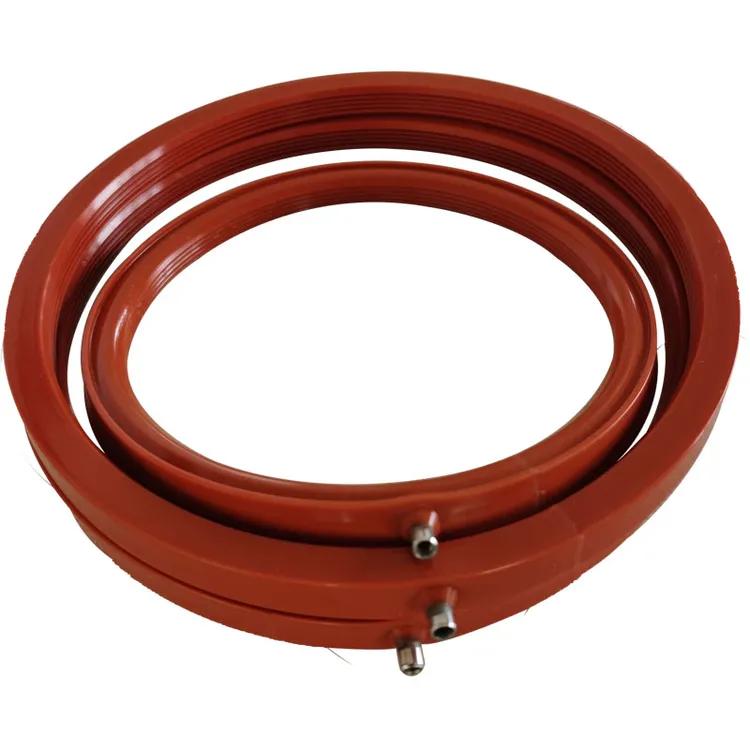
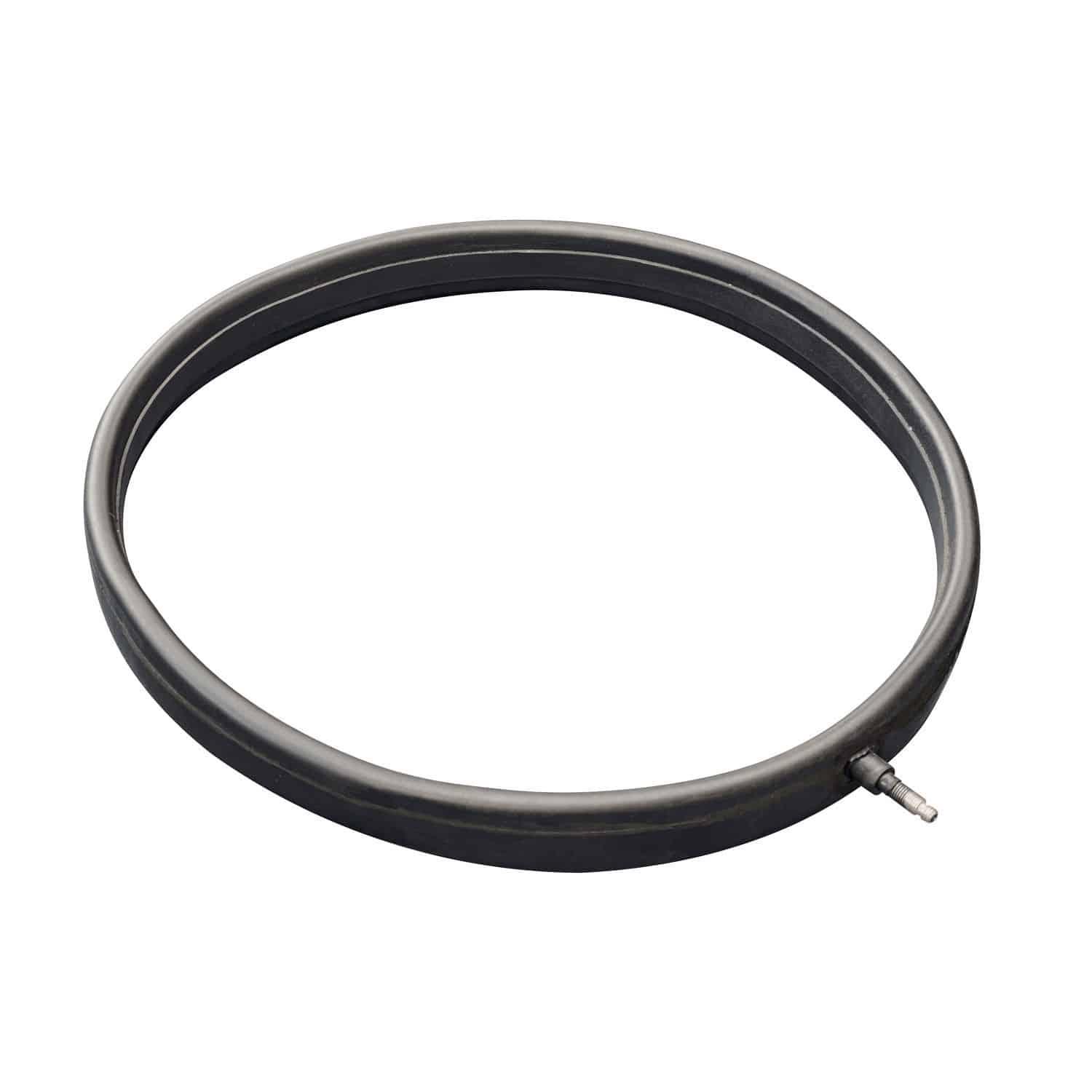
Silicone Inflatable Seal For Fracwater Treatment
High-Performance Inflatable Sealing for Fracwater & Oilfield Water Treatment
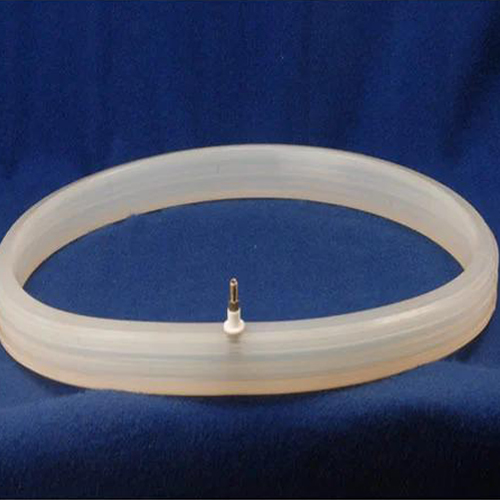
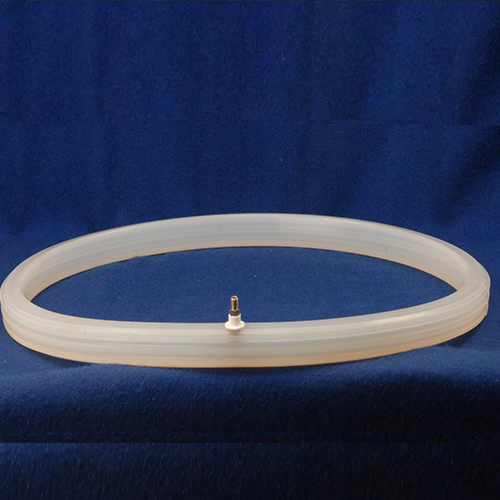
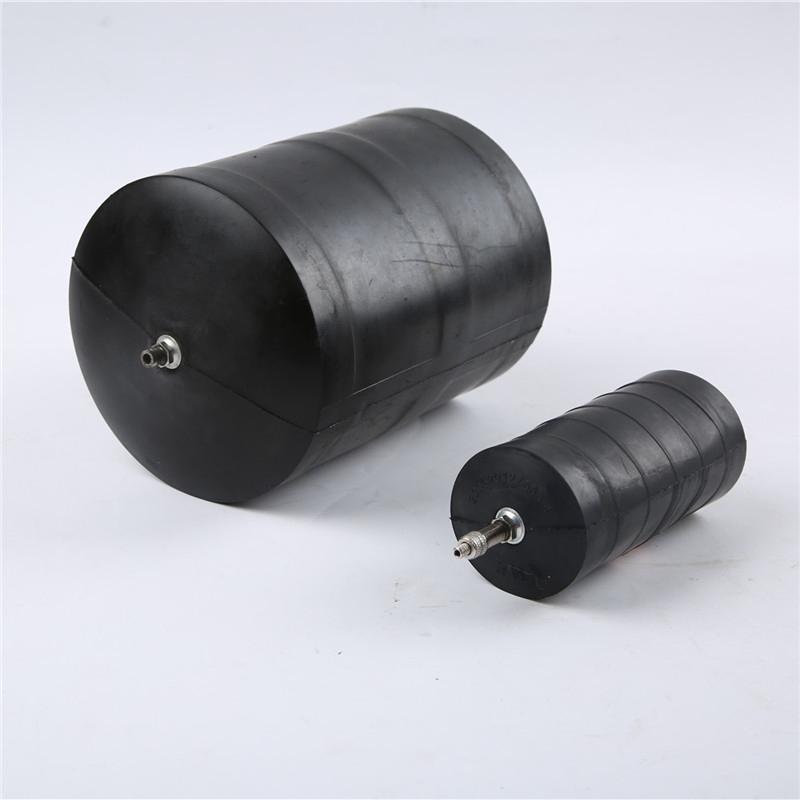
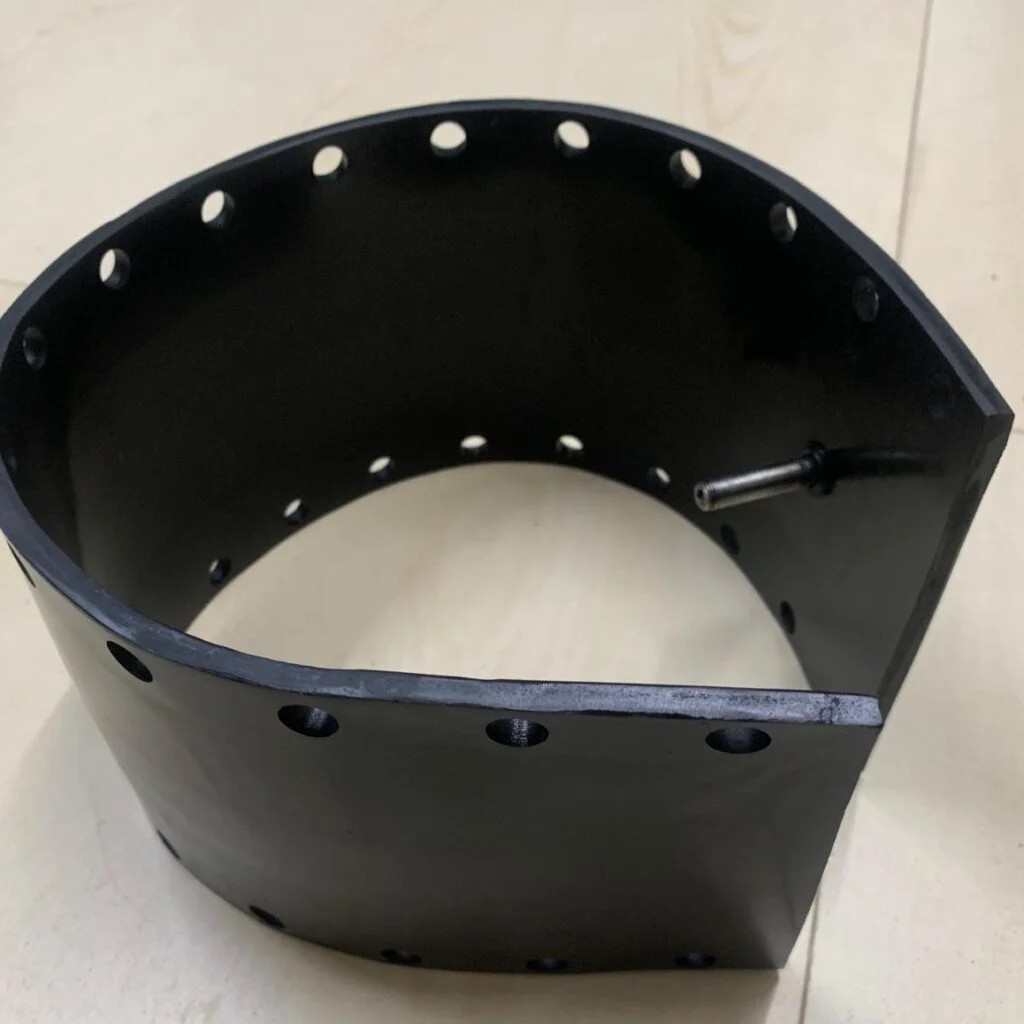
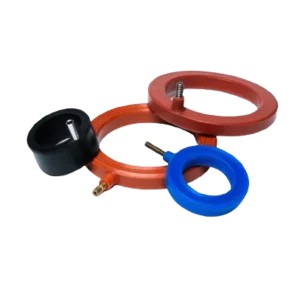
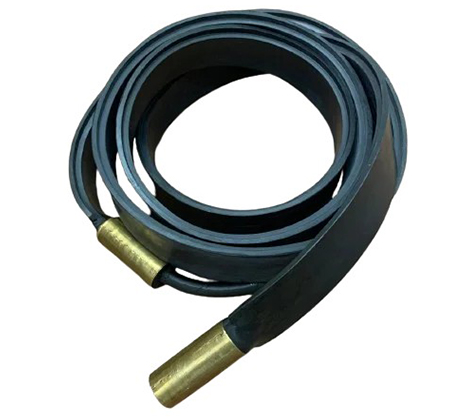
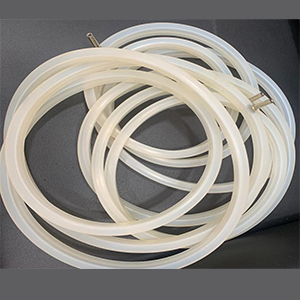
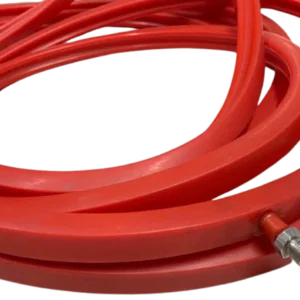
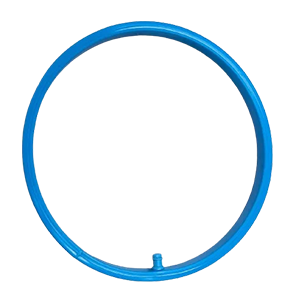
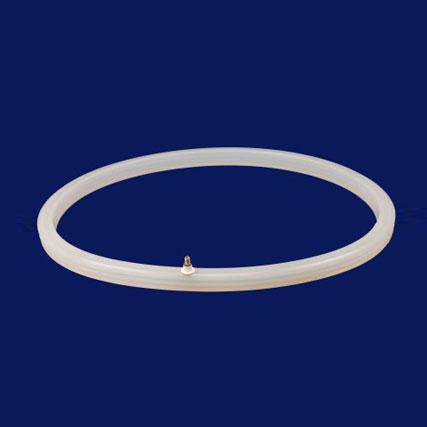
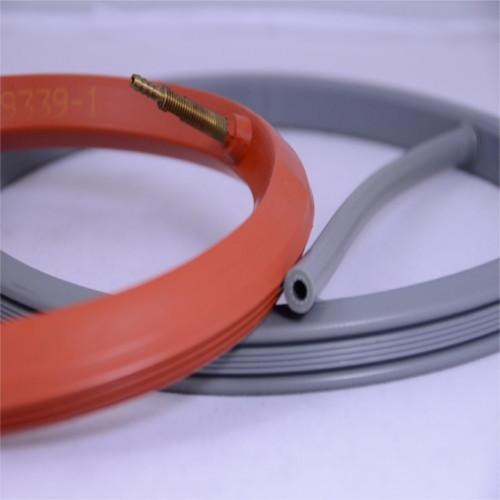
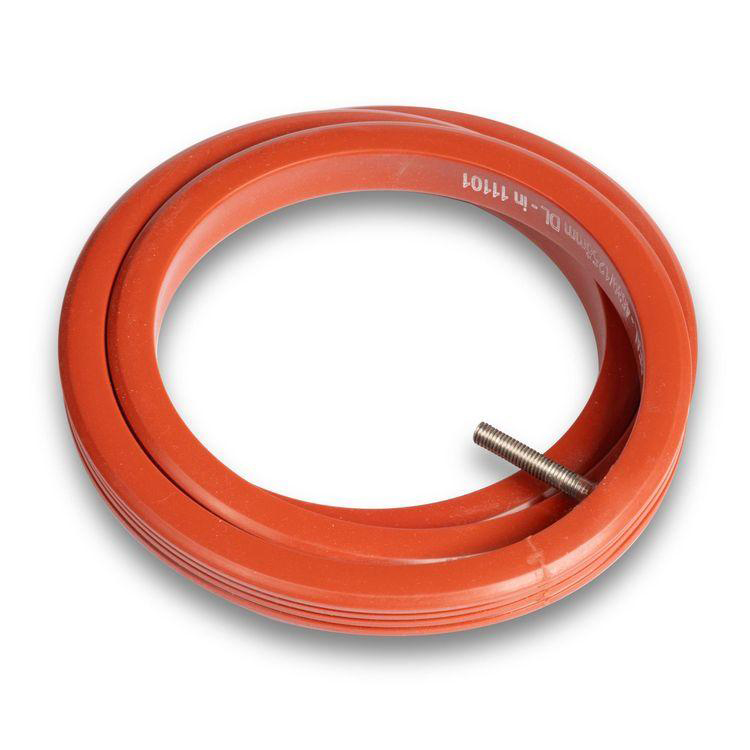
Silicone Inflatable Seals for Fracwater Treatment are specially engineered sealing components designed for water-treatment equipment used in hydraulic-fracturing and oil & gas operations.
Fracwater—often referred to as flowback water or produced water depending on its source—can contain high concentrations of dissolved salts, suspended solids, hydrocarbons and treatment chemicals. Equipment operating in these environments therefore requires sealing systems selected according to the actual fluid chemistry, temperature, pressure and operating conditions.
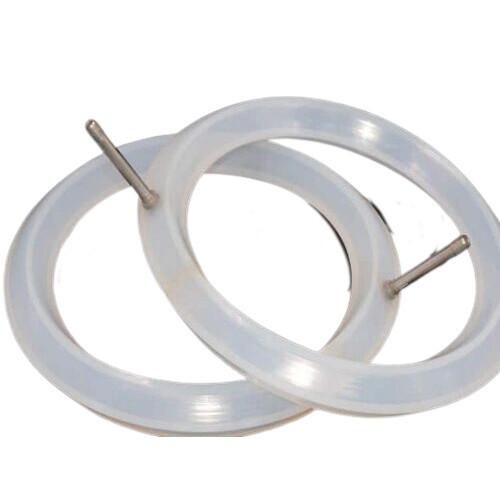
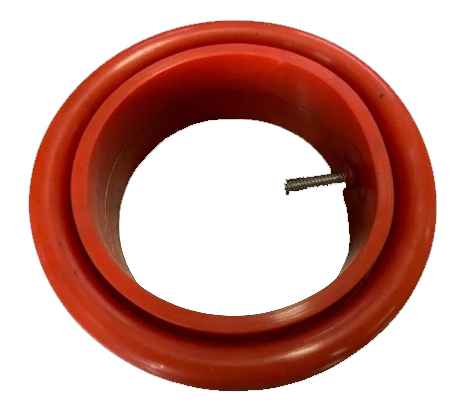
Inflatable seals provide an active sealing solution by expanding when controlled pressure is applied and retracting when the equipment needs to open or move. This makes them particularly useful for access doors, hatches, filtration equipment, treatment chambers, valves and other process equipment where reliable sealing and easy opening are required.
| Parameter | Typical / Available Specification |
|---|---|
| Product | Silicone Inflatable Seal for Fracwater Treatment |
| Product Type | Pneumatic Inflatable Seal |
| Primary Application | Fracwater / Oilfield Water Treatment |
| Material | Silicone / Application-Specific Elastomer |
| Expansion | Radial / Axial / Custom |
| Inflation Medium | Compressed Air |
| Profile | Custom Engineered Profile |
| Configuration | Straight, Circular, Rectangular or Endless |
| Inflation Connection | Customized Air Nozzle / Valve |
| Hardness | Application-Specific Shore A |
| Operating Pressure | Application Dependent |
| Temperature Range | Compound & Application Dependent |
| Chemical Resistance | Application Dependent |
| Reinforcement | Optional Fabric Reinforcement |
| Surface Finish | Application Specific |
| Colour | Material Dependent |
| Manufacturing | Moulded / Extruded / Custom |
| Application Media | Fracwater, Produced Water & Process Water |
| Installation | Door, Hatch, Chamber, Valve or Process Equipment |
Exact pressure, temperature, dimensions and chemical-resistance specifications should be established from the actual fracwater composition and equipment operating conditions.
- Designed for fracwater and industrial water-treatment applications
- Pneumatically activated sealing
- Controlled expansion and retraction
- Excellent flexibility
- Suitable for custom equipment geometries
- Helps prevent water and process-fluid leakage
- Suitable for repeated opening and closing cycles
- Custom profiles and dimensions
- Available in different elastomer compounds
- Silicone options for specialized applications
- Can be designed for radial or axial expansion
- Suitable for treatment chambers and filtration equipment
- Can be engineered for chemical exposure
- Fabric-reinforced options for demanding applications
- Suitable for customized industrial sealing systems
Important material note: Silicone is not automatically the best compound for every fracwater application. The final elastomer should be selected after evaluating the actual water chemistry, additives, hydrocarbons, cleaning chemicals, temperature and pressure.
Silicone
Silicone provides excellent flexibility, ageing resistance and temperature performance and can be supplied in specialized grades.Key advantages:
• Excellent flexibility
• Good elastic recovery
• Excellent ozone resistance
• Good ageing resistance
• Good temperature capability depending on formulation
• Available in specialized high-purity grades
• Suitable for customized inflatable profiles
Suitable applications:
• Water-treatment equipment
• Process chambers
• Filtration equipment
• Specialized oilfield equipment
• High-temperature applications
However, silicone selection should be verified carefully for hydrocarbon exposure and specific chemical additives present in the fracwater.
EPDM
EPDM can be a strong candidate where the process involves:• Water
• Steam
• Dilute acids/alkalis
• Weather exposure
• Ozone
Recommended for:
• Water-treatment systems
• Industrial process-water equipment
• Outdoor treatment equipment
• General water-service applications
EPDM is generally not recommended where significant petroleum-oil or hydrocarbon exposure is present.
NBR / BUNA-N
NBR is useful when the process contains:• Oils
• Hydrocarbons
• Petroleum-derived fluids
Recommended for:
• Oilfield equipment
• Hydrocarbon-containing water
• Industrial machinery
• Oil-related sealing applications
FKM / Viton®
FKM / Viton® can be considered where there is exposure to:• Hydrocarbons
• Oils
• Fuels
• Elevated temperatures
• Certain aggressive chemicals
Recommended for:
• Oil & gas equipment
• Hydrocarbon-containing process water
• High-temperature applications
• Chemical treatment equipment
Material Selection Is Critical
Fracwater chemistry can vary substantially from one well, field or treatment process to another.Before selecting the seal compound, evaluate:
• Total dissolved solids
• Chloride concentration
• pH
• Hydrocarbon content
• Treatment chemicals
• Biocides
• Surfactants
• Corrosion inhibitors
• Scale inhibitors
• Oxidizing agents
• Operating temperature
• Operating pressure
The seal should be tested against the actual process fluid whenever the application is critical.
What Is Fracwater?
Fracwater is water associated with hydraulic-fracturing operations.After hydraulic fracturing, water returning from the well can contain a mixture of:
• Dissolved minerals
• Salts
• Suspended solids
• Formation constituents
• Hydrocarbons
• Chemical additives
Treatment systems are used to manage, recycle, reuse or dispose of this water.
Inflatable seals can be incorporated into various pieces of treatment equipment where access openings need to be repeatedly opened and securely sealed during operation.
Recommended for: Fracwater, produced-water, oilfield water-treatment, and industrial process equipment requiring customized inflatable sealing.
Advantages Of Inflatable Sealing
Active SealingThe seal expands only when required, rather than remaining permanently compressed.
Easy Access
When deflated, the seal retracts and allows easier opening of equipment doors and hatches.
Reduced Friction
Deflation before opening can reduce rubbing between the seal and mating surface.
Large Contact Area
The expanded seal can accommodate certain dimensional variations and create a continuous sealing interface.
Custom Design
The profile can be engineered to suit the exact equipment geometry.
Repeated Operation
Suitable for equipment requiring regular inspection, cleaning and maintenance when properly designed.
Chemical & Environmental Considerations
Fracwater treatment can expose seals to demanding chemical conditions.When designing the inflatable seal, consider:
• High Salinity: High concentrations of dissolved salts can affect material selection and long-term durability.
• Hydrocarbons: Oil and hydrocarbon exposure may require NBR or FKM rather than standard silicone or EPDM.
• Treatment Chemicals: Biocides, scale inhibitors, corrosion inhibitors and other chemicals can influence elastomer compatibility.
• Temperature: Higher process temperatures can accelerate material degradation if an unsuitable compound is selected.
• Abrasive Particles: Suspended solids and sand can create mechanical wear at dynamic sealing interfaces.
Fabric-Reinforced Options
For higher-pressure or mechanically demanding applications, fabric reinforcement can be incorporated into an inflatable seal.Benefits include:
• Increased mechanical strength
• Improved dimensional stability
• Better resistance to excessive expansion
• Higher pressure capability
• Improved durability
• Suitable for demanding industrial equipment
The exact reinforcement construction should be selected based on the required inflation pressure, sealing gap, temperature and cycle requirements.
How It Works
1. Seal InstallationThe inflatable seal is installed into a specially designed groove around the equipment door, hatch, chamber or process interface.
2. Equipment Closure
The door, cover or mating component moves into its closed position.
3. Controlled Inflation
Compressed air is introduced through the seal's inflation connection.
4. Seal Expansion
The inflatable profile expands against the mating surface.
5. Process Sealing
The expanded seal creates a continuous barrier around the equipment opening, helping contain water and process fluids.
6. Deflation
When access is required, inflation pressure is released.
7. Easy Opening
The seal retracts, reducing contact with the mating surface and allowing the door or hatch to open.
This inflate–deflate principle is particularly useful for treatment equipment requiring frequent inspection, cleaning, filtration-media replacement or maintenance.
Design & Selection Guide
For a fracwater-treatment inflatable seal, the following information should be considered:• Equipment drawing
• Existing seal sample
• Groove dimensions
• Seal cross-section
• Door / hatch dimensions
• Sealing gap
• Required expansion
• Inflation pressure
• Process pressure
• Process temperature
• Fracwater composition
• Hydrocarbon concentration
• Chemical additives
• Cleaning chemicals
• Suspended solids
• Required cycle life
• Required leakage performance
• Material certification
• Inflation connection
• Installation orientation
Custom Manufacturing
Every water-treatment system has different sealing requirements.Custom Silicone Inflatable Seals can be developed based on:
Application Study → Fluid Analysis → Drawing Review → Material Selection → Profile Design → Prototype → Testing → Production
Customers can provide:
• Engineering drawing
• Equipment dimensions
• Existing gasket sample
• Seal groove drawing
• Process-fluid details
• Pressure
• Temperature
• Required sealing gap
• Required cycle life
The final seal design should be validated under the actual process conditions before full-scale production.
Quality & Performance
Depending on the application, documentation can include:• Material Test Certificate
• Dimensional Inspection Report
• Certificate of Conformity
• Chemical Compatibility Data
• Pressure Test Report
• Leakage Test Report
• Customer-specific quality documentation
For critical oilfield and water-treatment applications, laboratory compatibility testing using the actual fracwater or representative process fluid is strongly recommended.
Why Choose Silicone Inflatable Seals For Fracwater Treatment?
Reliable Active SealingPneumatic expansion provides controlled contact with the mating surface.
Easy Maintenance
Deflation allows doors and hatches to open with reduced seal interference.
Custom Profiles
Designed according to equipment dimensions and sealing requirements.
Multiple Material Options
Silicone, EPDM, NBR, FKM/Viton® and other compounds can be considered according to the process conditions.
Demanding Application Capability
Reinforced constructions can be developed for higher-pressure applications.
Engineered Solution
Material and profile can be selected according to the actual fracwater chemistry and operating environment.
Engineered For Demanding Water-Treatment Applications
Silicone Inflatable Seal for Fracwater Treatment — Custom pneumatic sealing solutions for fracwater, produced-water, oilfield water-treatment and industrial process equipment.Active Sealing | Chemical Compatibility | Oil & Gas | Water Treatment | Custom Profiles | Multiple Elastomer Options
Fracwater Treatment Systems
Inflatable seals can be used around access points and process interfaces in equipment designed to treat hydraulic-fracturing water.Applications include:
• Treatment chambers
• Filtration systems
• Separation equipment
• Water-processing units
• Access hatches
• Inspection doors
• Process enclosures
Produced Water Treatment
Oil & gas produced-water treatment equipment can require sealing solutions capable of handling water containing dissolved salts, hydrocarbons and other contaminants.Potential applications:
• Treatment vessels
• Filtration systems
• Separation units
• Process tanks
• Inspection hatches
• Access doors
Filtration Equipment
Inflatable seals can provide an active sealing interface around filter housings and access doors.Applications include:
• Media filters
• Cartridge filtration systems
• Membrane systems
• Pressure filtration equipment
• Sand filtration
• Specialized solids-removal equipment
Water Separation Equipment
Inflatable seals can be incorporated into equipment used to separate water from suspended solids, hydrocarbons or other process contaminants.Applications include:
• Separation chambers
• Hydrocarbon-water separation
• Solid-liquid separation
• Treatment vessels
• Process tanks
Oil & Gas Industry
Fracwater treatment is part of the broader oilfield water-management process.Potential applications:
• Well-site water treatment
• Produced-water management
• Flowback-water treatment
• Water recycling systems
• Oilfield treatment skids
• Process-water systems
Industries Served
Oil & GasUsed for water-management and treatment equipment associated with hydraulic fracturing and production operations.
Water & Wastewater Treatment
Suitable for specialized industrial water-treatment equipment.
Petrochemical
Can be used in process equipment where the selected elastomer is compatible with the process fluid.
Chemical Processing
Custom material selection can be made according to the chemical composition and operating conditions.
Mining
Similar sealing technology can be considered for mineral-processing water and slurry-treatment equipment.
Industrial Manufacturing
Suitable for customized water-treatment and process-equipment applications.