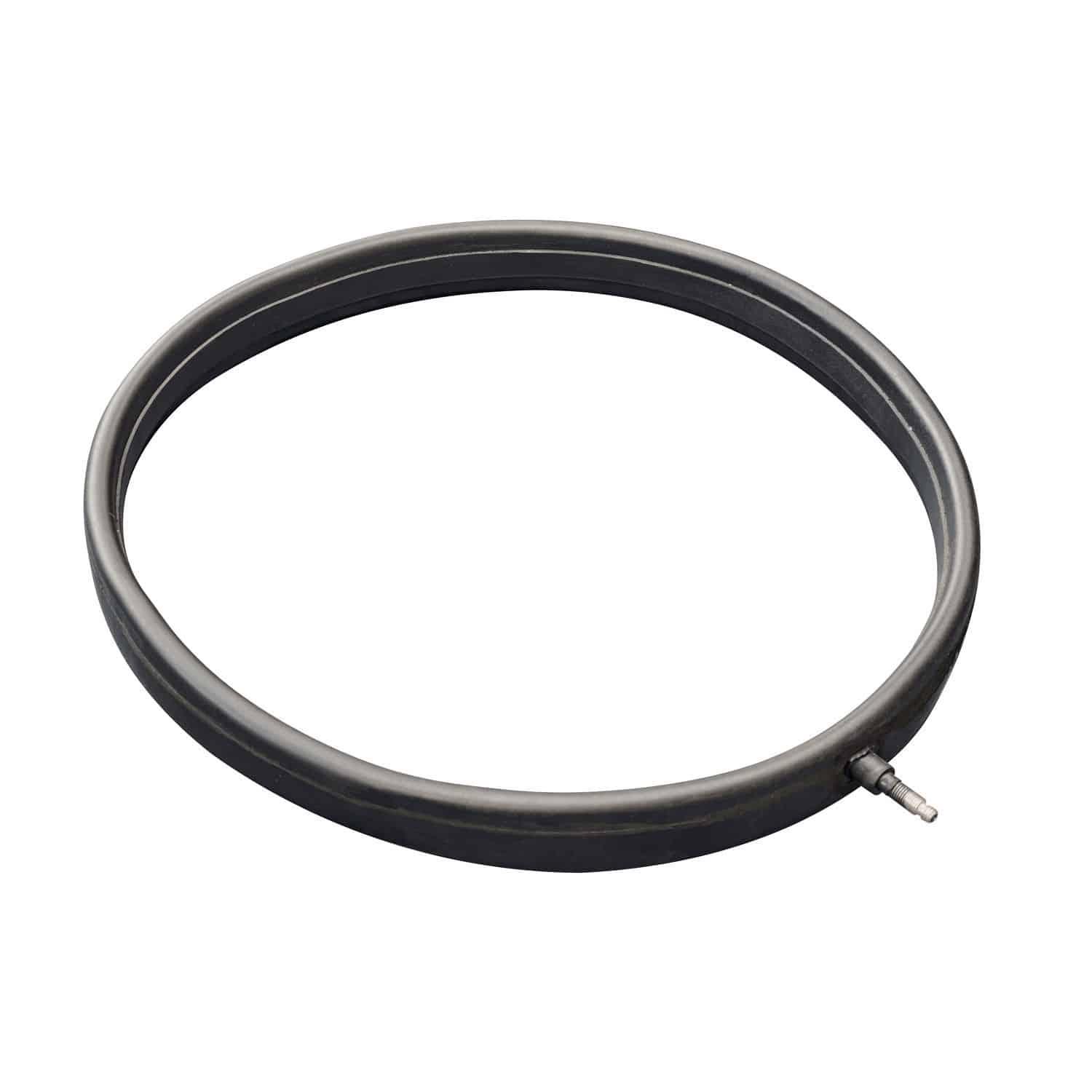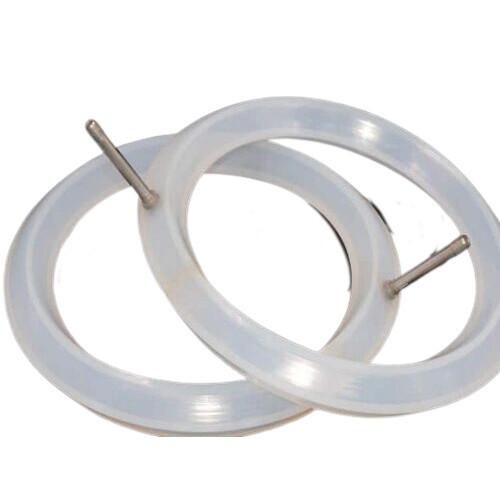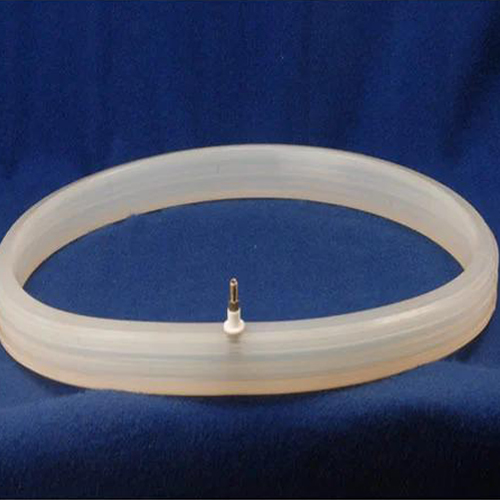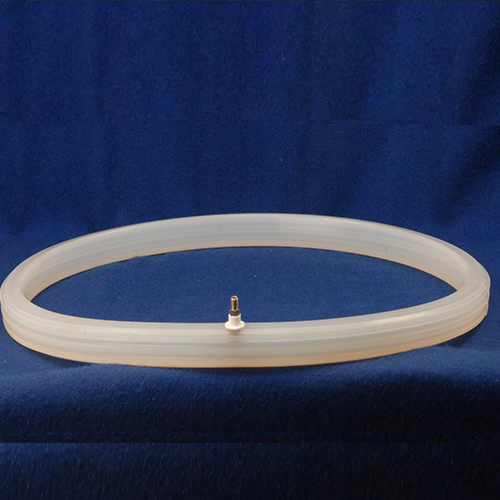
Inflatable Robotic Clamps
Bombay Rubber & Carbon Works
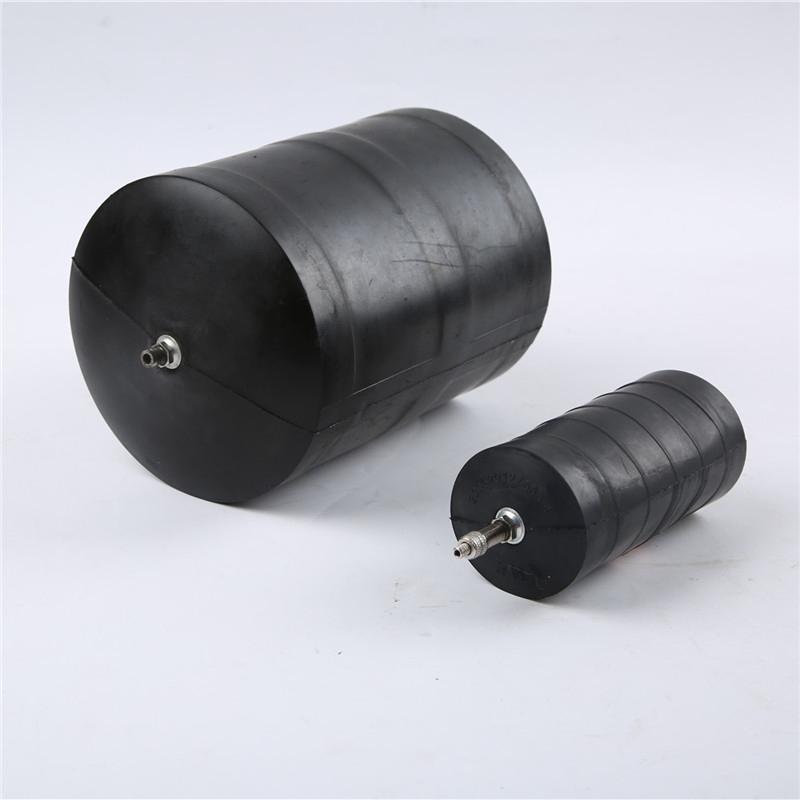
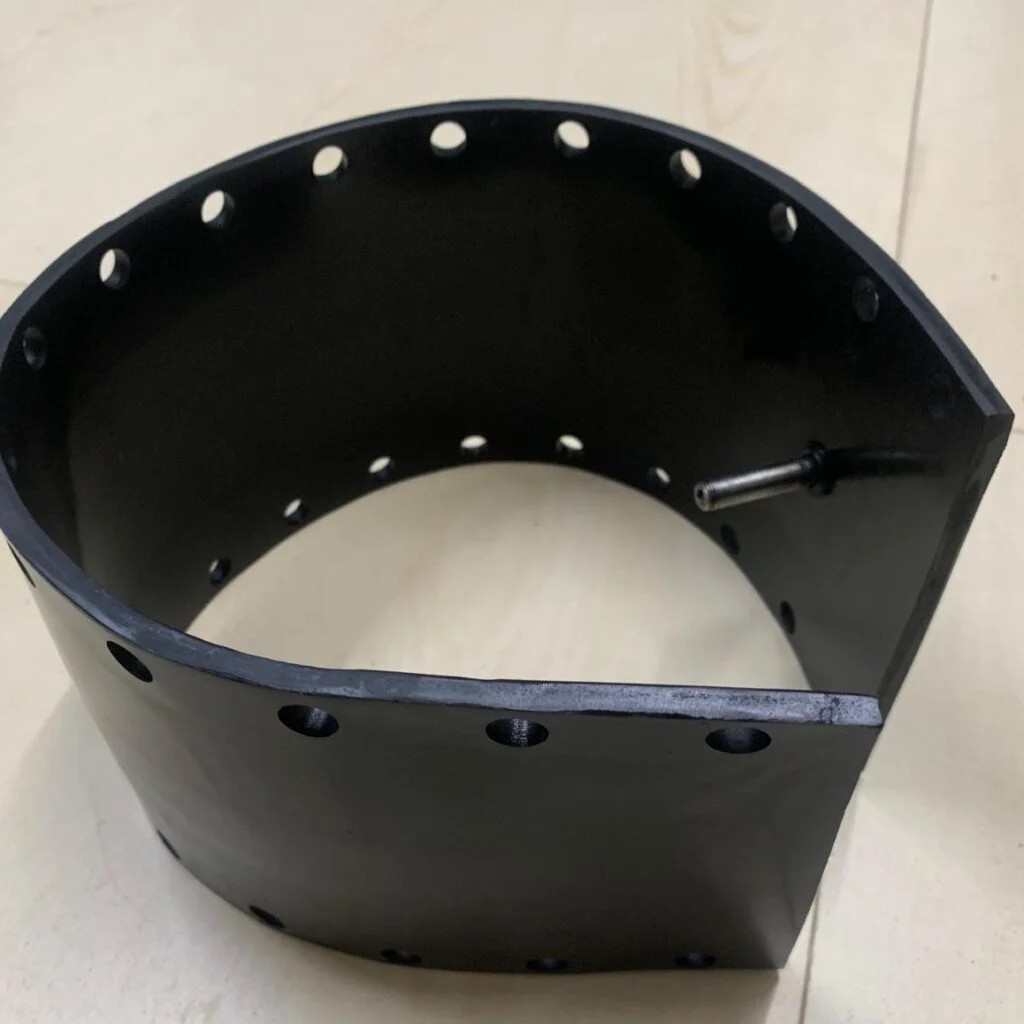
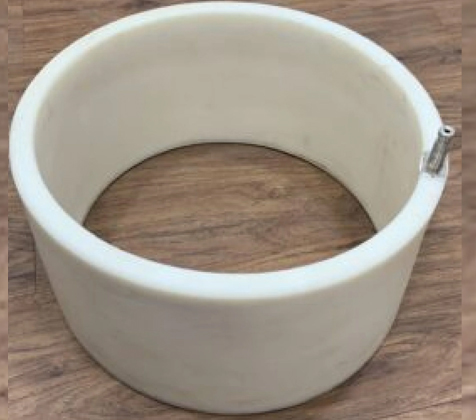
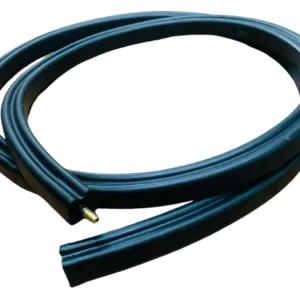
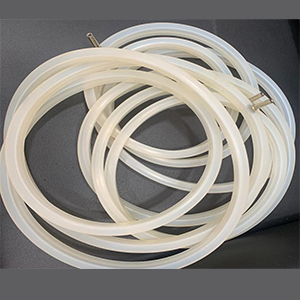
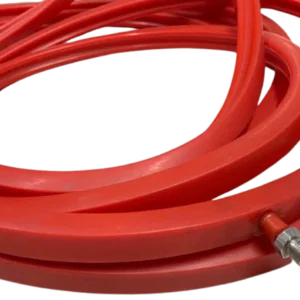
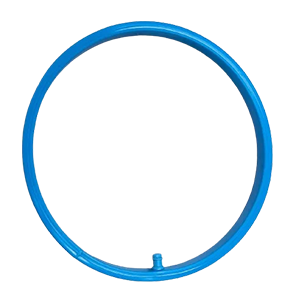
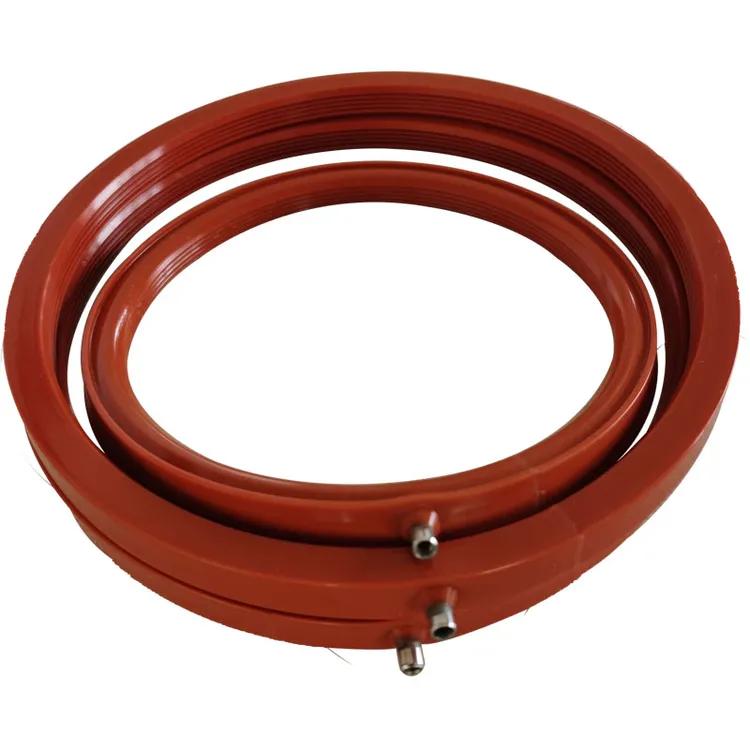
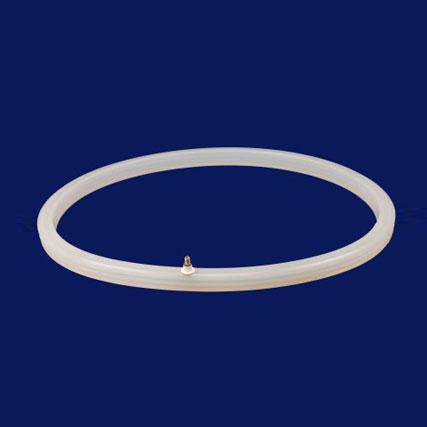
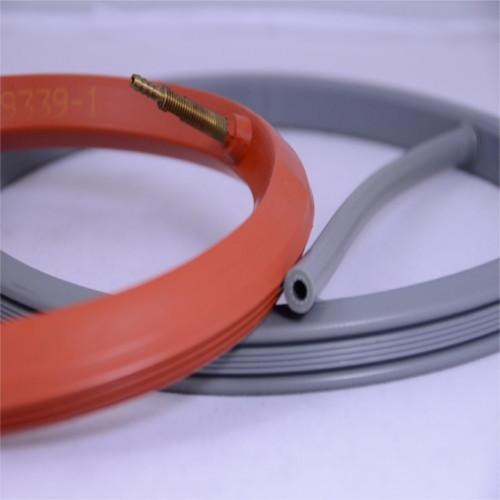
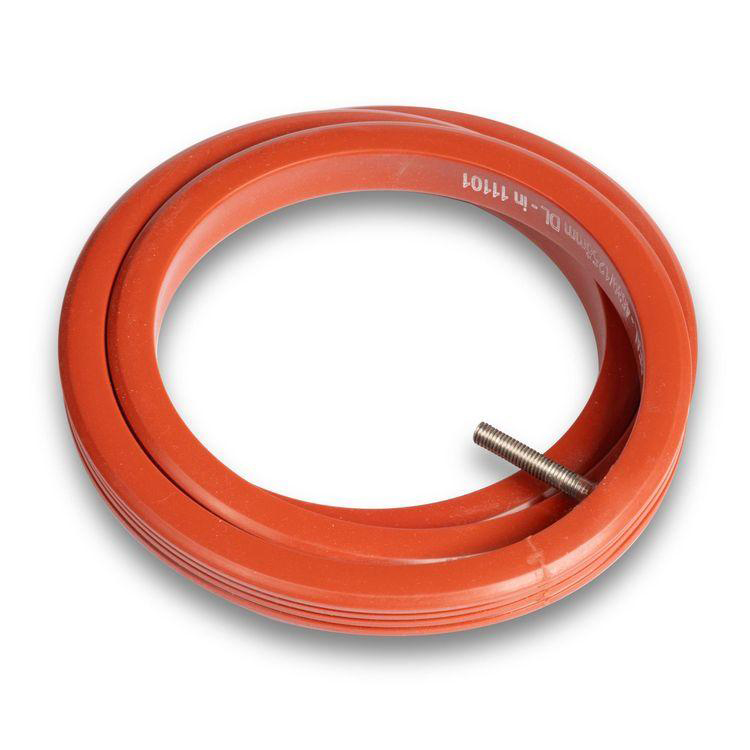
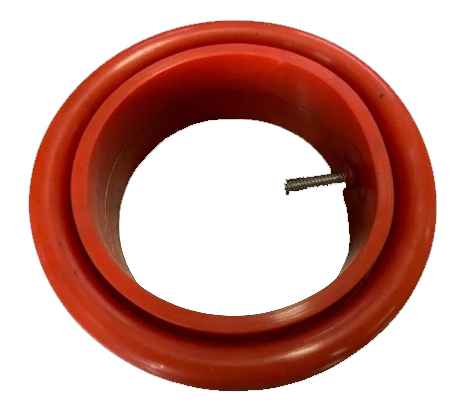
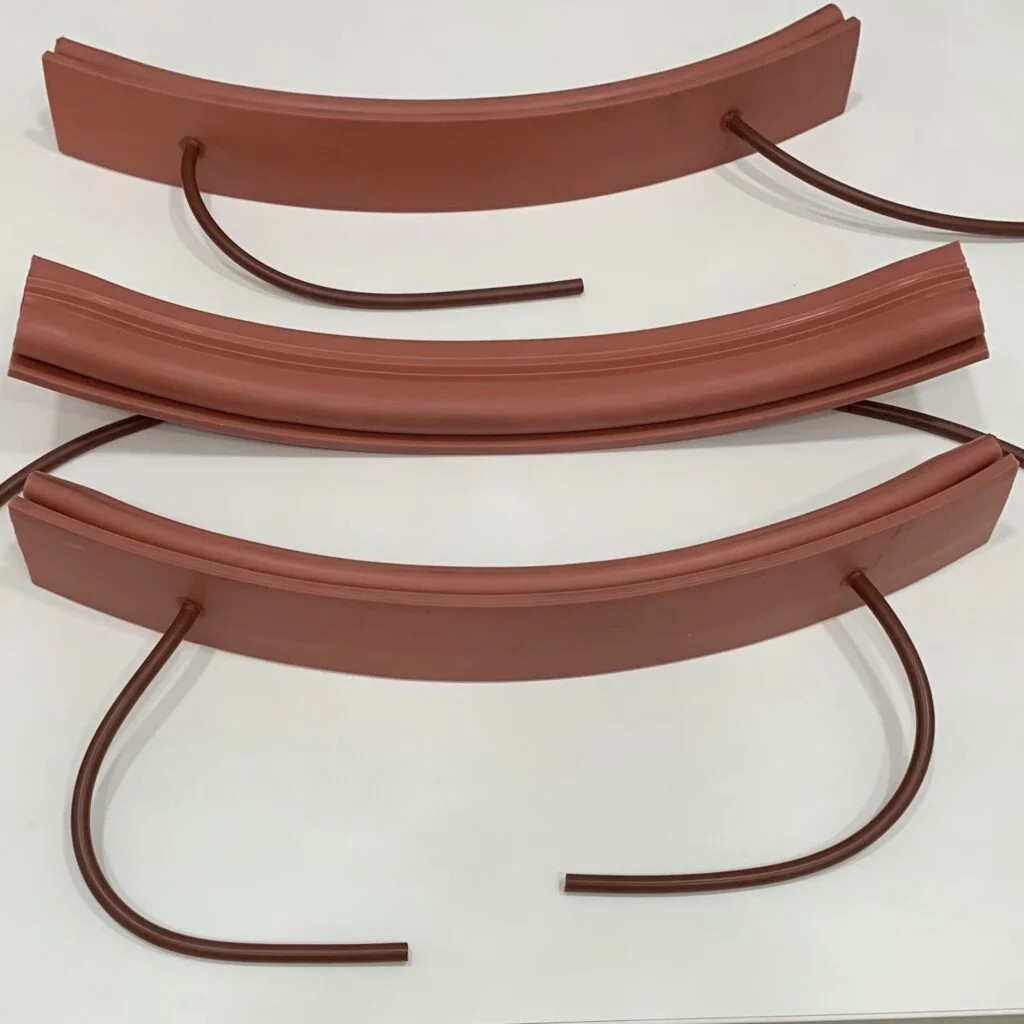
Bombay Rubber & Carbon Works has developed and supplied inflatable robotic clamps – gripping bladders to a wide range of robotic applications . As robotic arms have become a common fixture everywhere from mega-factories to homes, the demand for a gripping element that is simple, adaptable, and low-maintenance has grown alongside them .
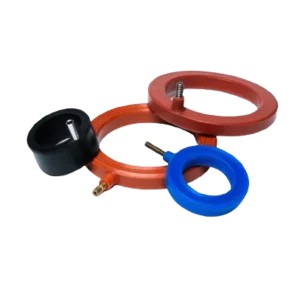
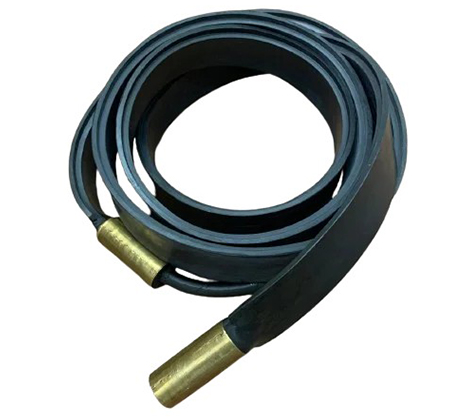
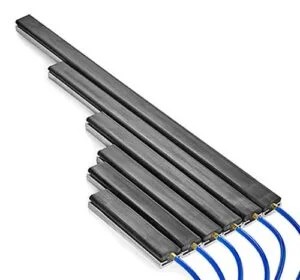
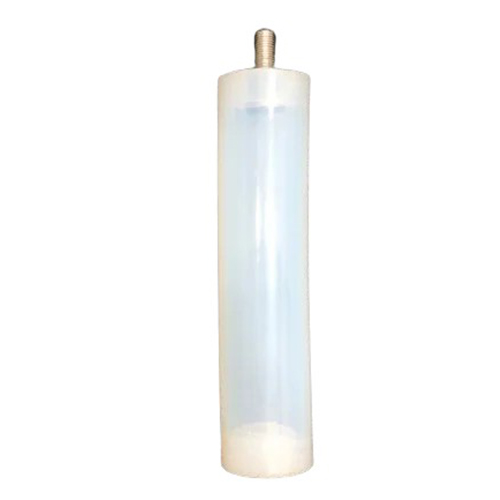
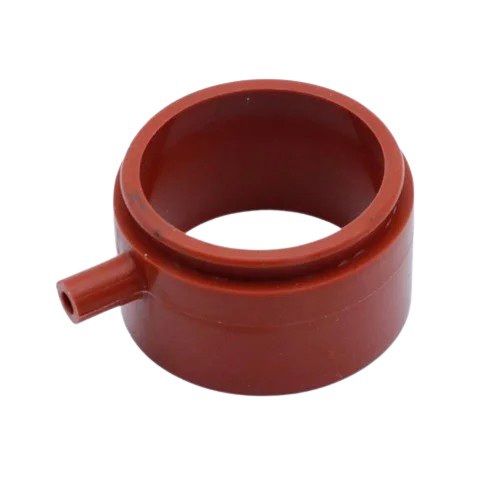
Our inflatable gripping bladders are versatile and adaptable, able to be installed on surfaces of different shapes – round, square, oblong, or linear – to grip and handle a wide variety of objects . The bladders can grip both interior and exterior surfaces, as well as cylindrical surfaces, with minimal moving parts . This leads to smoother operation, reduced downtime for maintenance, and increased overall productivity .
How it works: Bombay Rubber & Carbon Works inflatable clamps are integrated into robotic arms to enhance gripping and handling capability . When the robot wants to lift an article, the clamp moves over or around it; the inflatable bladder is then pressurised with air or hydraulic oil to inflate and hold the article tightly in the inflated position . Once the robotic arm has a firm grip, it lifts and places the article at the desired location . On reaching the destination, the seal deflates and the arm moves on to pick the next article – continuing in an automated loop that speeds up manufacturing throughput .
| Parameter | Typical Value |
|---|---|
| Standard Compound | Silicone, Hardness 60 Shore A |
| Available Elastomers | NBR, EPDM, SBR, FKM, Silicone, Neoprene, Butyl, Natural Rubber, Fluorosilicone |
| Actuation Medium | Compressed air or hydraulic oil |
| Operating Principle | Inflate to grip, deflate to release – automated loop cycle |
| Mountable Shapes | Round, square, oblong, linear surfaces |
| Gripping Modes | Interior surface, exterior surface, cylindrical surface gripping |
| Moving Parts | Minimal – gripping achieved through inflation, not mechanical clamping |
| Duty | Repetitive automated pick-and-place cycles |
| Customisation | Built to customer sketch/drawing, article geometry, and special-feature requirements |
Values above reflect typical robotic gripping-bladder duty; final specification (compound, wall thickness, inflation pressure) is selected based on the article being handled and the gripping force required . Request the compound-specific technical data sheet for design-stage figures .
Why inflatable gripping bladders?
Unlike mechanical jaw-style grippers, an inflatable clamp conforms to the surface it grips rather than applying point contact force, which makes it well suited to handling articles with irregular, delicate, or varied geometries . Because the gripping action comes from pressurised inflation rather than multiple moving mechanical parts, the design reduces wear points and the associated maintenance burden – translating into smoother operation and less unplanned downtime on high-cycle automated lines .
Elastomer options and why they matter
- Silicone (standard, 60 Shore A): the default compound for general gripping duty, offering good flexibility, grip, and consistent recovery after each inflation cycle .
- NBR: good oil resistance, useful where hydraulic oil is the actuation medium or the handling environment involves oils and greases .
- EPDM: strong weathering and ozone resistance for gripping applications in outdoor or variable-environment settings .
- SBR: a cost-effective general-purpose option for less demanding duty cycles .
- FKM (Viton): specified where the gripper must resist chemical exposure or higher operating temperatures .
- Neoprene: balanced resistance to oils, weathering, and moderate chemical exposure .
- Butyl: low gas permeability, useful where the bladder must hold inflation pressure over extended dwell periods .
- Natural Rubber: high resilience and tear strength for general mechanical gripping duty .
- Fluorosilicone: combines silicone's flexibility with improved resistance to fuels and solvents .
Bombay Rubber & Carbon Works selects the right elastomer, wall thickness, and bladder geometry based on the object being handled, the actuation medium (air or hydraulic oil), and the cycle rate the application demands .
Inflatable robotic clamps are used wherever automated pick-and-place or secure object-handling is required :
- General manufacturing & assembly automation: pick-and-place operations on production lines
- Automotive manufacturing: handling components and sub-assemblies with robotic arms
- Packaging & material handling: gripping objects of varied shapes for packing, palletising, or sorting
- Warehousing & logistics automation: robotic handling systems in distribution and fulfilment centres
- Food & beverage processing: gentle, conforming grip for handling products without mechanical damage
- Electronics & precision assembly: handling delicate components where point-contact mechanical grippers risk damage
- Process industries: robotic handling integrated into broader automated production and material-transfer systems