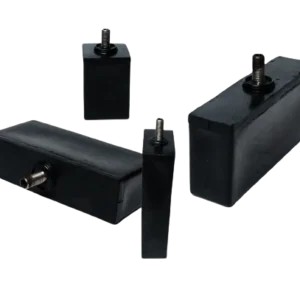
Silicone Inflatable Seal Plug
Precision Inflatable Plug for Pipe Testing & Leak Testing
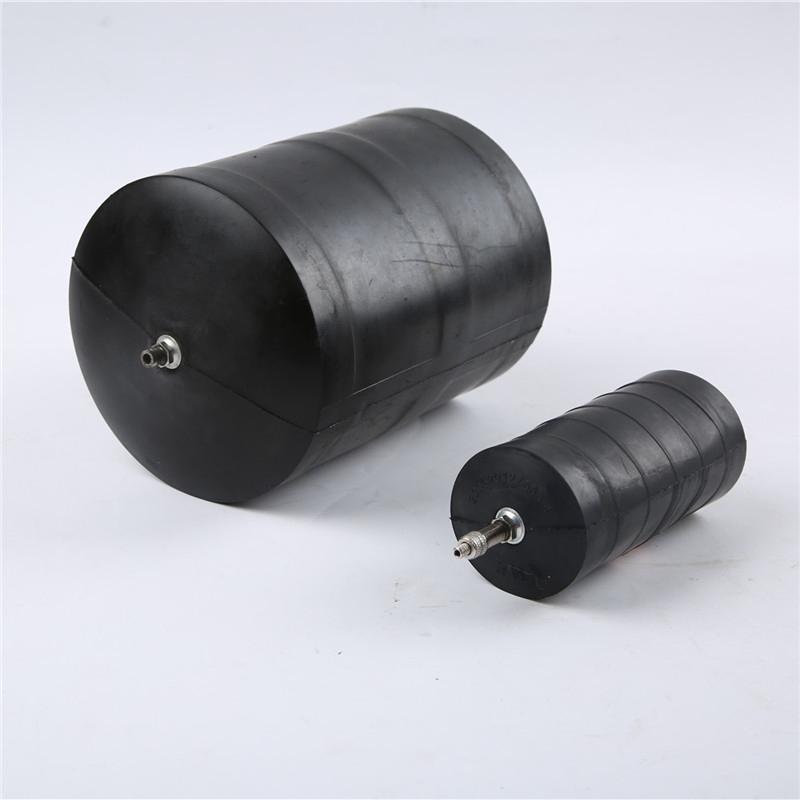
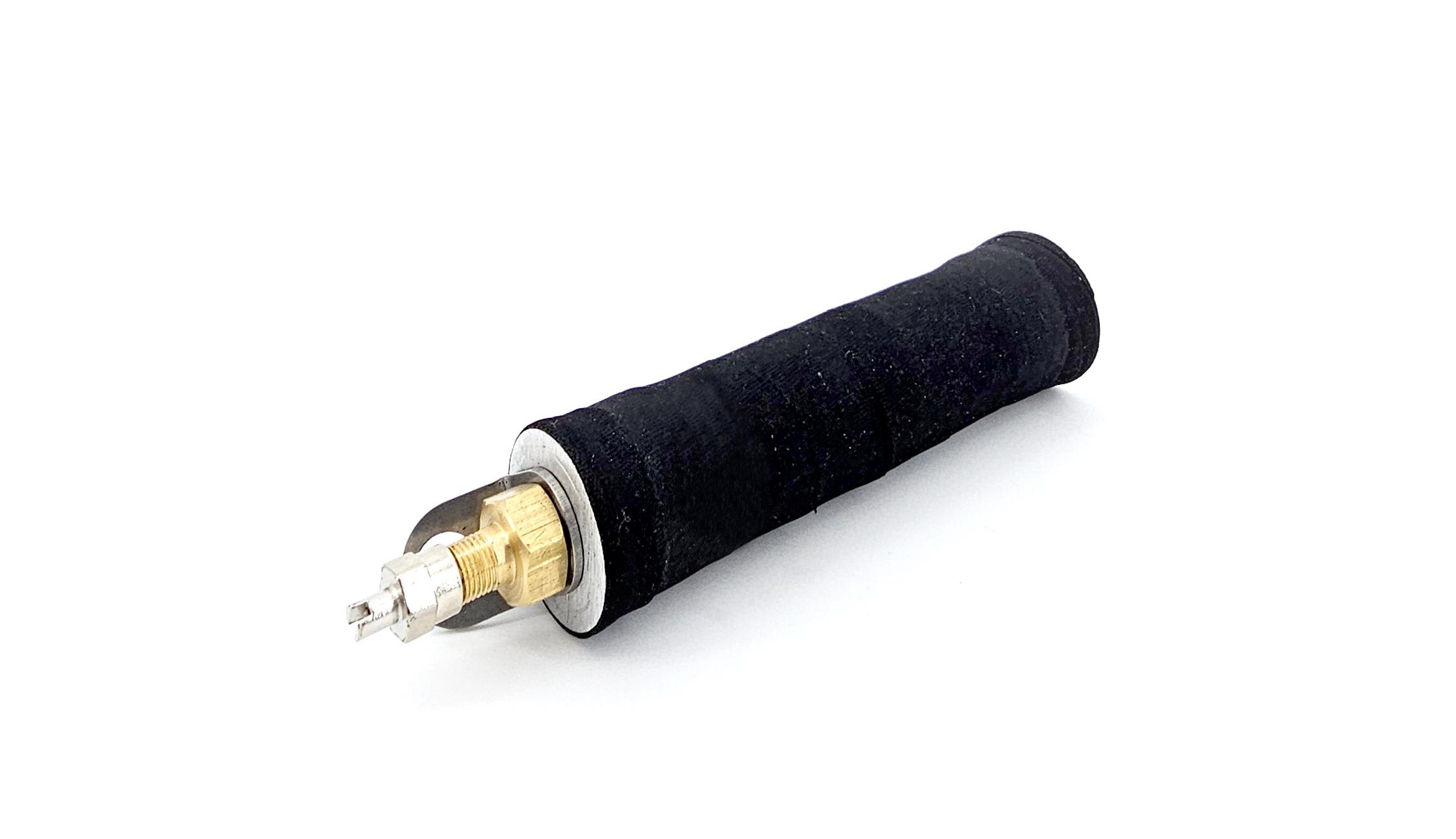
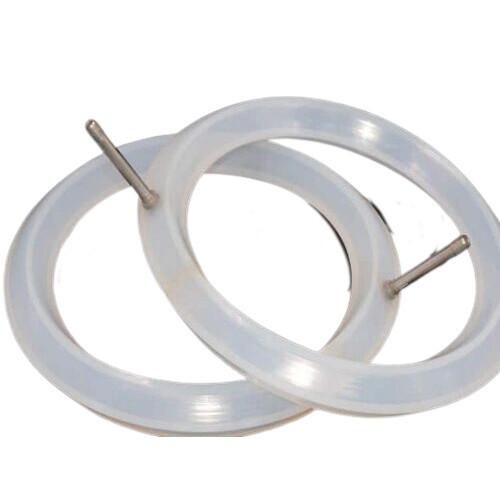
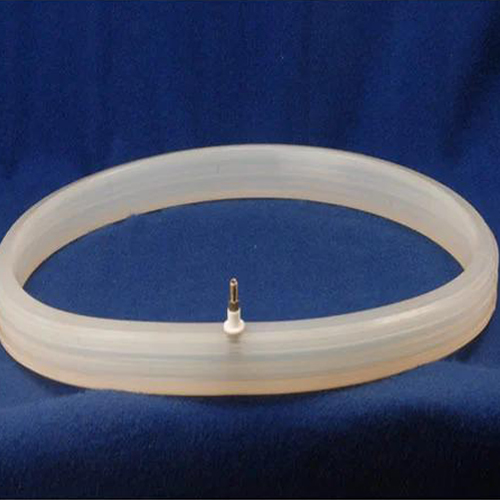
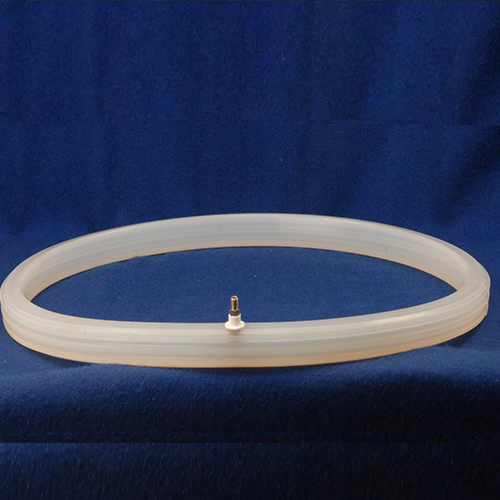
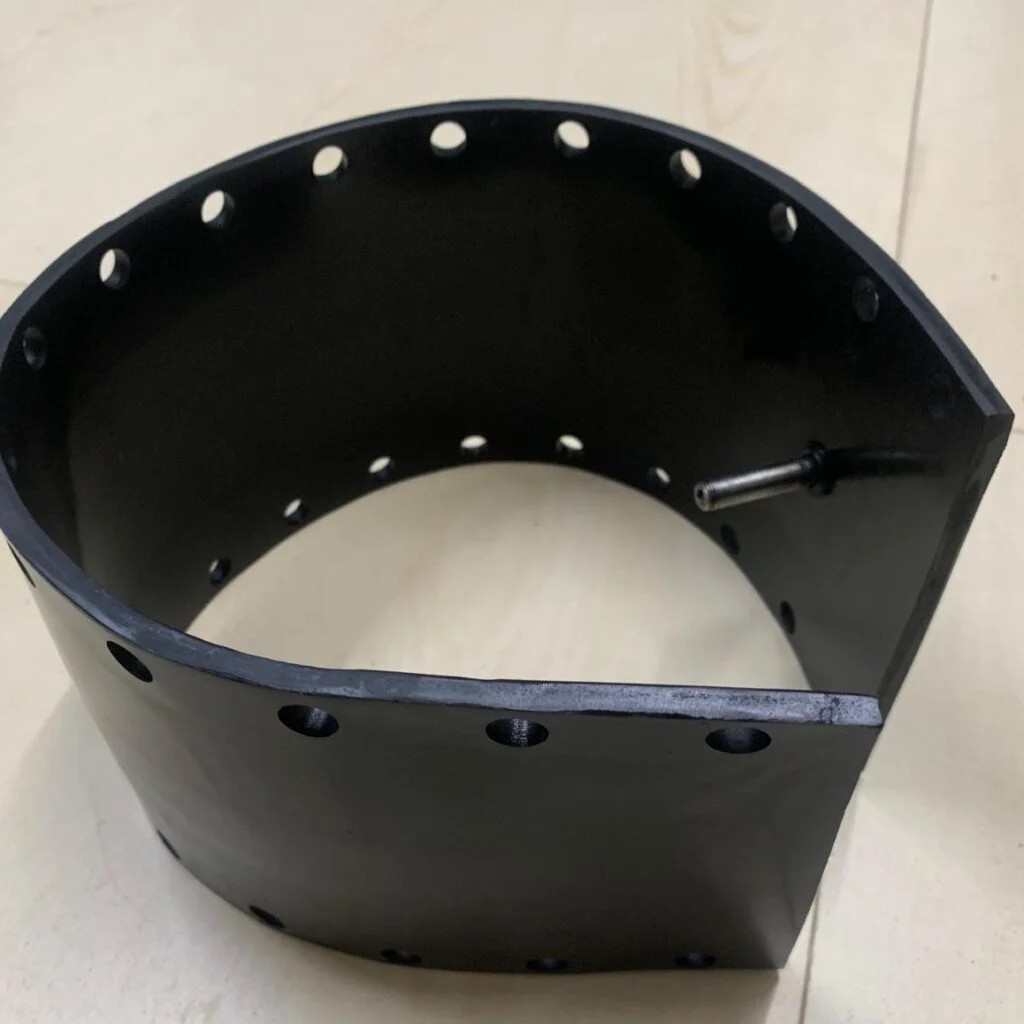
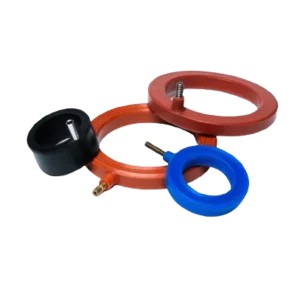
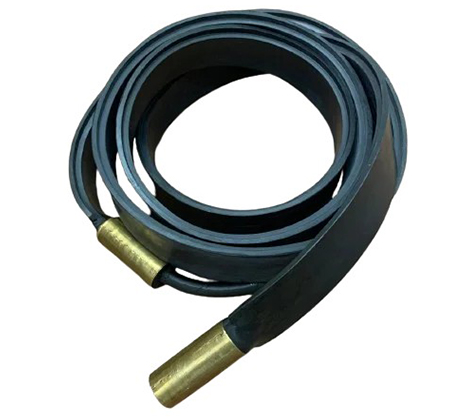
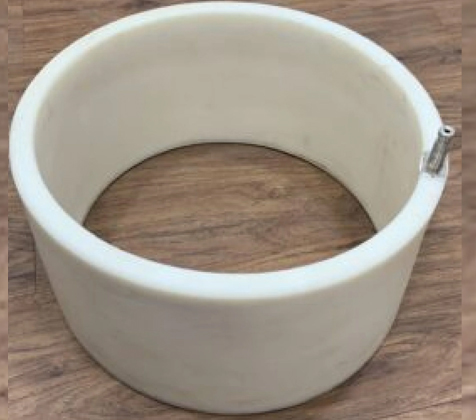
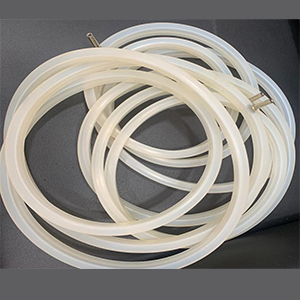
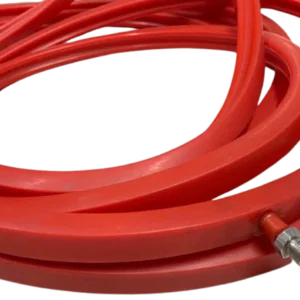
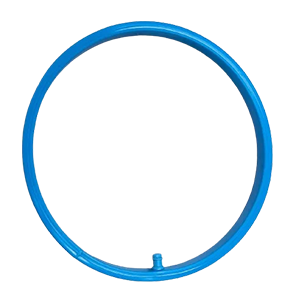
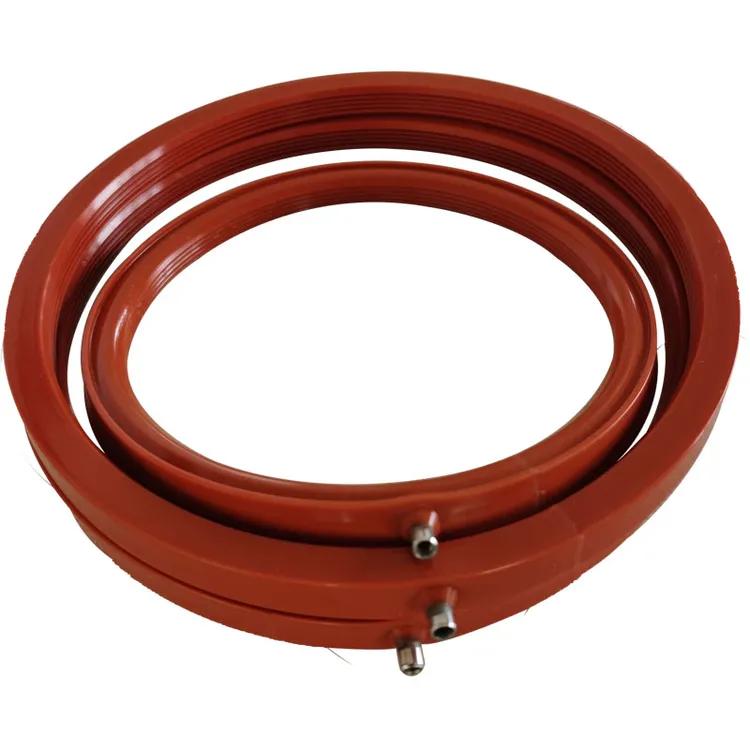
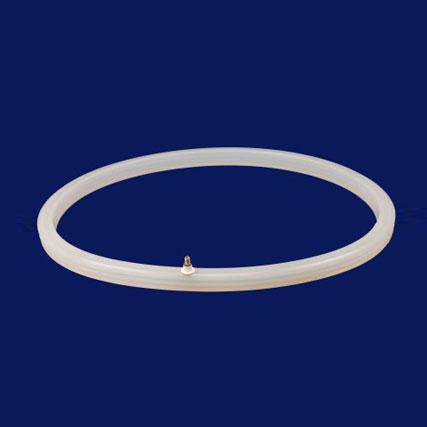
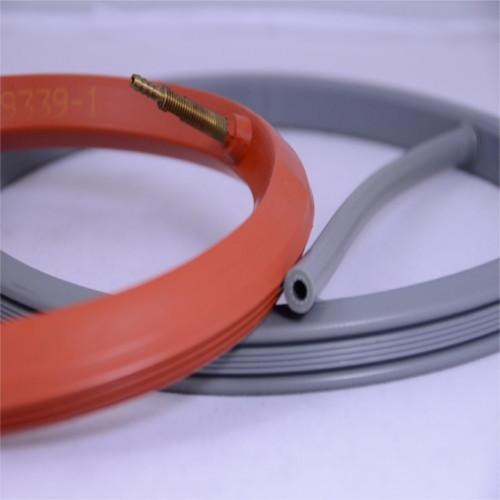
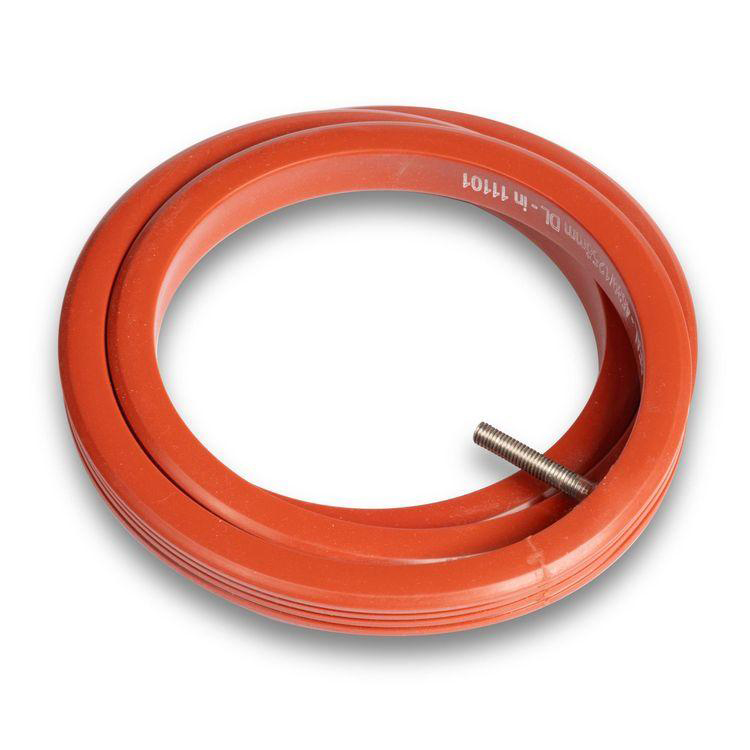
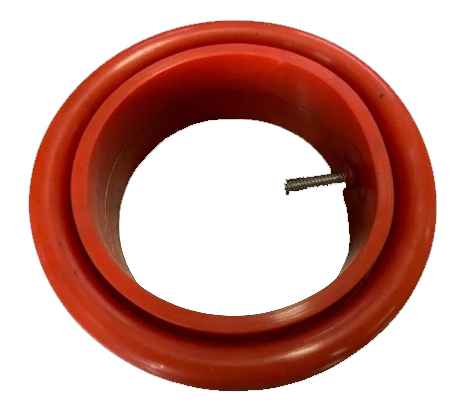
Silicone Inflatable Seal Plugs are specially engineered pneumatic sealing components used to temporarily seal pipes, tubes, openings and components during pressure testing, leak testing and inspection operations.
The compact inflatable design allows the plug to be inserted into the required location and expanded using controlled air pressure. Once inflated, the silicone seal expands against the internal or external sealing surface to create a reliable temporary barrier.
When the test is completed, the air pressure is released and the seal retracts, allowing the plug to be removed easily.
Bombay Rubber & Carbon Works identifies these small inflatable seals as plugs specifically used for pipe testing and leakage testing applications. The company offers readily available small-diameter seals from approximately 25 mm to 500 mm, with smaller and non-standard diameters available on request.
| Parameter | Typical / Available Specification |
|---|---|
| Product | Silicone Inflatable Seal Plug |
| Product Type | Pneumatic Inflatable Plug |
| Primary Application | Pipe Testing / Leak Testing |
| Material | Silicone / Other Elastomers as Required |
| Available Materials | Silicone, Nbr/Buna-N, Epdm, Fkm/Viton®, Neoprene |
| Diameter Range | Approximately 25–500 mm readily available |
| Smaller Diameter | Below 25 mm possible on request |
| Larger / Non-Standard Diameter | Available by custom development |
| Inflation Medium | Compressed Air / Suitable Gas |
| Expansion | Radial / Application-specific |
| Profile | Custom Inflatable Plug Profile |
| Configuration | Circular / Cylindrical / Custom |
| Inflation Connection | Customized Air Nozzle / Valve |
| Pressure Capability | Application dependent |
| Hardness | Compound and application dependent |
| Temperature Range | Material dependent |
| Reinforcement | Optional for higher-pressure applications |
| Construction | Moulded / Custom-built |
| Testing | Leak Test / Pressure Test / Functional Test |
| Cycle Life | Application and material dependent |
Bombay Rubber & Carbon Works lists small inflatable seal plugs in the 25–500 mm range, while also offering smaller and non-standard sizes. The company additionally reports a small-diameter auto-coupler seal capable of 10 bar pressure. Final operating pressure must be established for the specific plug geometry, material, expansion and test conditions.
- Designed for pipe and leak testing
- Compact inflatable plug design
- Controlled pneumatic expansion
- Reliable temporary sealing
- Quick inflation and deflation
- Easy insertion and removal
- Suitable for repeated testing cycles
- Excellent flexibility
- Conforms to the sealing surface
- Available in small diameters
- Custom sizes available
- Suitable for internal or application-specific radial sealing
- Multiple elastomer options
- Suitable for automated testing fixtures
- Can be engineered for higher-pressure applications
- Silicone construction available for specialized applications
- Suitable for pipe, tube, connector and component testing
Bombay Rubber & Carbon Works states that its small inflatable seals can be developed below 25 mm when required and has developed a small-diameter seal for an auto-coupler application capable of withstanding 10 bar pressure.
Silicone
Silicone is an excellent choice where flexibility, temperature resistance, cleanliness and specialized sealing performance are required.Recommended for:
• Leak-testing equipment
• Pharmaceutical components
• Medical components
• Food-processing equipment
• Clean applications
• High-temperature testing
• Laboratory equipment
Key advantages:
• Excellent flexibility
• Wide temperature capability depending on compound
• Good ageing resistance
• Excellent weather and ozone resistance
• Suitable for clean applications
• Available in specialized high-purity formulations
Silicone inflatable seals are also used in pharmaceutical and medical applications, including Fluid Bed Dryers/Processors, glove-box isolators and cleanroom doors.
Nbr / Buna-N
Nitrile rubber is suitable where the seal is exposed to oils, fuels and petroleum-based fluids.Recommended for:
• Automotive component testing
• Fuel-system testing
• Hydraulic components
• Oil-related applications
• Industrial machinery
NBR provides good oil and fuel resistance and is commonly used for industrial sealing applications.
Epdm
EPDM is suitable for applications involving water, steam, weather and outdoor environments.Recommended for:
• Water-system testing
• Pipe testing
• Valves
• Outdoor equipment
• General industrial testing
EPDM should generally be avoided where significant exposure to petroleum oils or fuels is expected.
Fkm / Viton®
FKM / Viton® is recommended where the testing environment involves:• High temperature
• Oils
• Fuels
• Hydrocarbons
• Aggressive chemicals
Typical applications:
• Automotive testing
• Fuel-system testing
• Chemical equipment
• Oil & gas components
• High-temperature testing
Neoprene
Neoprene provides a useful combination of flexibility, mechanical strength and weather resistance.Recommended for:
• General industrial testing
• Marine equipment
• Outdoor applications
• Machinery testing
The final elastomer should always be selected according to the test medium, temperature, pressure, chemical exposure and required cycle life.
Advantages For Testing Systems
Fast Testing CyclesInflation and deflation can be pneumatically controlled for rapid testing operations.
Easy Insertion & Removal
The plug remains compact while deflated and expands only when sealing is required.
Repeatable Sealing
The inflatable design can provide consistent contact during repeated test cycles when correctly designed and maintained.
Small-Diameter Capability
Specialized inflatable plugs can be developed for very small internal diameters.
Custom Pressure Capability
The seal construction can be engineered according to the required test pressure and sealing conditions.
Reduced Mechanical Complexity
Compared with some mechanical plugs, pneumatic expansion can simplify the sealing and release operation.
Fabric-Reinforced Options
For applications involving higher pressure requirements, fabric reinforcement can be incorporated into the inflatable seal construction.Fabric reinforcement provides:
• Improved dimensional stability
• Increased pressure capability
• Greater mechanical strength
• Better resistance to excessive expansion
• Improved performance in demanding applications
Bombay Rubber & Carbon Works states that its fabric-reinforced inflatable seals can be engineered for high-pressure applications and reports designs with bursting pressure up to 50 bar, depending on construction and application.
For nominal-pressure applications, the manufacturer’s general guidance recommends avoiding unnecessary fabric reinforcement where it would add cost without providing a functional benefit. For pressure differentials above approximately 7–8 bar, fabric reinforcement may be considered.
How It Works
1. InsertionThe deflated inflatable plug is inserted into the pipe, tube or component that requires testing.
2. Positioning
The plug is positioned at the specified sealing location.
3. Inflation
Controlled compressed air or another suitable inflation medium is introduced through the inflation connection.
4. Seal Expansion
The silicone inflatable body expands and presses against the internal or designated sealing surface.
5. Testing
The component is subjected to the required pressure, vacuum or leakage test while the plug maintains the temporary sealing boundary.
6. Deflation
After the test is completed, inflation pressure is released.
7. Removal
The plug retracts and can be removed from the component with minimal resistance.
This inflate–test–deflate operating cycle makes the seal plug particularly useful for repetitive production-line testing and inspection fixtures.
Design & Selection Guide
Correct selection of an inflatable seal plug depends on the actual testing conditions. Important design parameters include:• Internal pipe diameter
• Minimum and maximum diameter tolerance
• Required sealing expansion
• Test pressure
• Inflation pressure
• Test medium
• Operating temperature
• Chemical exposure
• Required leakage limit
• Number of test cycles
• Available installation space
• Plug insertion depth
• Inflation port location
• Required material
• Requirement for reinforcement
• Manual or automated operation
The manufacturer’s general inflatable-seal guidance also recommends considering environment, expected life, pressure differential, inflation gap, equipment geometry, air connector, retention mechanism and over-pressure safety during design.
Custom Design & Manufacturing
Every pipe, tube and test fixture can have different dimensional and pressure requirements.Customized Silicone Inflatable Seal Plugs can be developed based on:
Drawing → Diameter Selection → Material Selection → Profile Development → Prototype → Testing → Production
Customers can provide:
• Engineering drawing
• Sketch
• Existing seal sample
• Component sample
• Pipe dimensions
• Test pressure
• Test medium
• Temperature requirements
• Required cycle life
Bombay Rubber & Carbon Works specifically offers customized inflatable seal development and invites customers to provide a sketch or drawing for product development.
Quality & Performance
Depending on the selected material and application, documentation may include:• Material test certificate
• Dimensional inspection report
• Pressure test report
• Leak-test report
• Certificate of conformity
• FDA documentation for applicable silicone compounds
• Customer-specific quality documentation
For critical applications, the final seal should be validated under the actual test pressure, temperature, medium and operating cycle before production deployment.
Why Choose Silicone Inflatable Seal Plugs?
Precision SealingDesigned to provide controlled expansion against the test surface.
Quick Operation
Fast pneumatic inflation and deflation support efficient testing.
Custom Sizes
Available in standard and non-standard diameters.
Flexible Material Options
Silicone, NBR, EPDM, FKM/Viton® and Neoprene can be selected according to application requirements.
High-Pressure Options
Reinforced constructions can be developed for demanding pressure-testing applications.
Reusable Design
Suitable for repeated testing cycles when properly engineered and maintained.
Engineered For Accurate & Repeatable Testing
Silicone Inflatable Seal Plug — Precision temporary sealing for pipe testing, leak testing, pressure testing and industrial component inspection.Pipe Testing | Leak Testing | Pressure Testing | Small-Diameter Sealing | Custom Sizes | Silicone Construction | Industrial Quality Control
Pipe Leak Testing
The primary application of the Silicone Inflatable Seal Plug is temporary sealing during pipe and tube leak testing.Applications include:
• Pipe leakage testing
• Tube testing
• Plumbing components
• Industrial pipelines
• Hydraulic lines
• Fluid-transfer components
• Process piping
The manufacturer specifically identifies pipe testing and leakage testing as the principal applications for its inflatable seal plug.
Pressure Testing
Inflatable plugs can be incorporated into pressure-testing fixtures where a section of a component needs to be isolated before applying test pressure.Potential applications:
• Pipe pressure testing
• Tube pressure testing
• Valve testing
• Connector testing
• Component validation
• Hydraulic testing
• Pneumatic testing
The plug design can be engineered according to the required pressure, sealing diameter and test cycle.
Automotive Component Testing
Small-diameter inflatable plugs are particularly useful for automotive components with restricted installation space.Applications include:
• Auto couplers
• Fuel-system components
• Fluid connectors
• Pipes and tubes
• Valves
• Cooling-system components
• Hydraulic components
Bombay Rubber & Carbon Works specifically references a small-diameter auto-coupler seal developed for a demanding application.
Valve Testing
Inflatable seal plugs can be used to isolate sections of valves and related components during leakage or pressure testing.Applications include:
• Industrial valves
• Control valves
• Process valves
• Hydraulic valves
• Pneumatic components
• Special-purpose valves
Tube & Connector Testing
Small inflatable plugs can be especially useful for components with small internal diameters where conventional mechanical test plugs may be difficult to install.Applications include:
• Tubing
• Connectors
• Couplings
• Fittings
• Fluid-transfer assemblies
• Small-diameter components
Industries Served
AutomotiveUsed for testing fuel, hydraulic, coolant and fluid-transfer components.
Pharmaceutical
Silicone versions can be selected for suitable pharmaceutical equipment and high-purity applications.
Food & Beverage
Appropriately certified silicone compounds can be considered for food-processing equipment and testing applications.
Chemical
FKM, EPDM or other suitable compounds can be selected according to the chemical environment.
Oil & Gas
Specialized materials and reinforced designs can be engineered for demanding pipeline and component-testing applications.
Industrial Machinery
Suitable for production testing, quality control and component validation.
Medical & Laboratory
Specialized silicone inflatable plugs can be developed for controlled laboratory and medical-component testing environments.