Inflatable Rubber Seal for Leak Test
Precision Inflatable Sealing for Leak Testing & Pressure Testing Applications
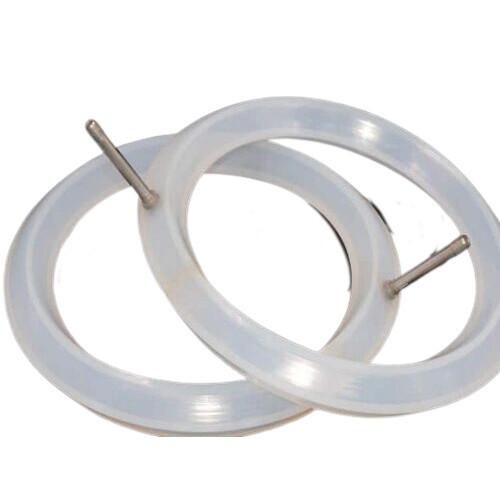
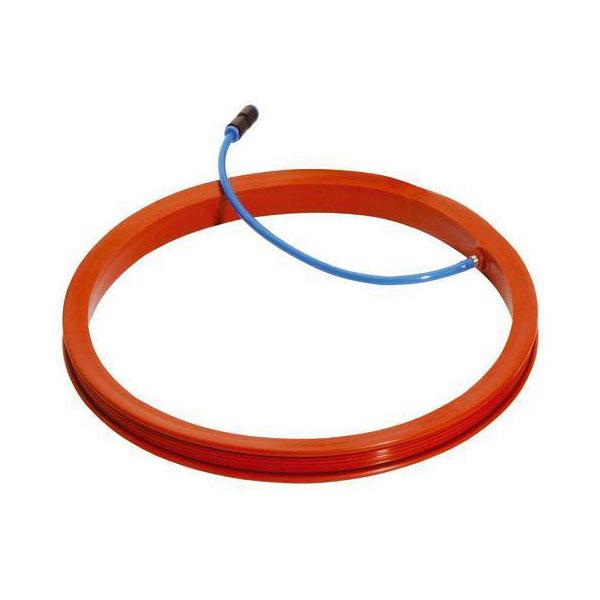
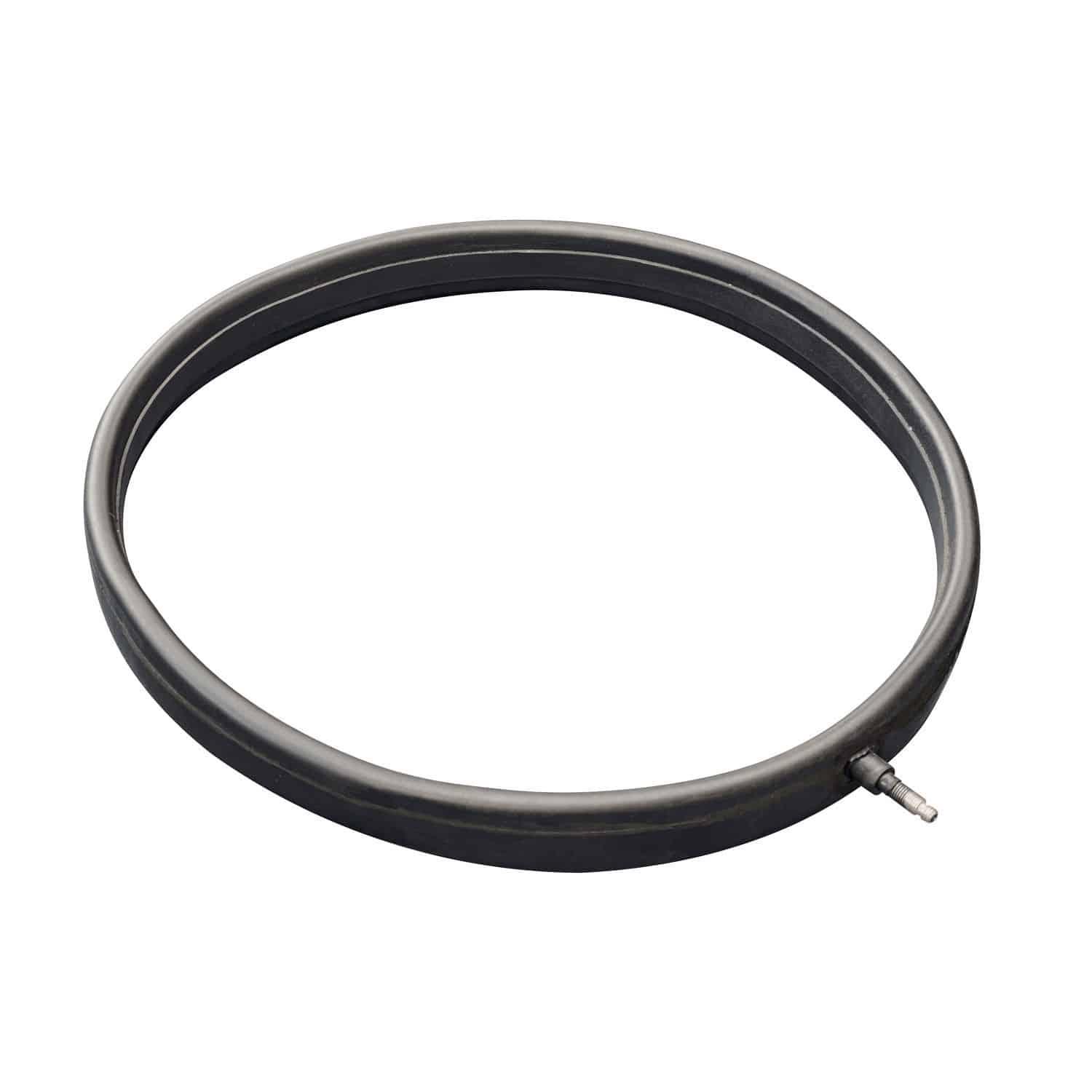
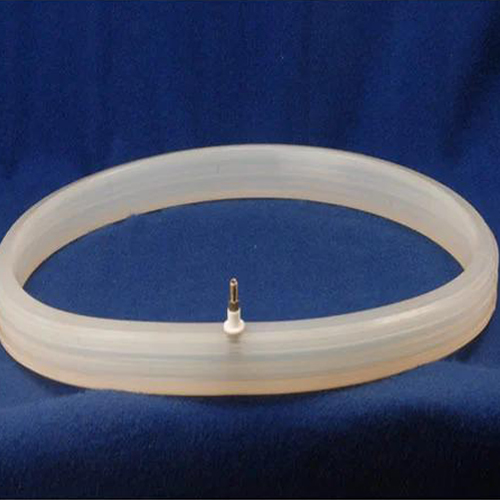
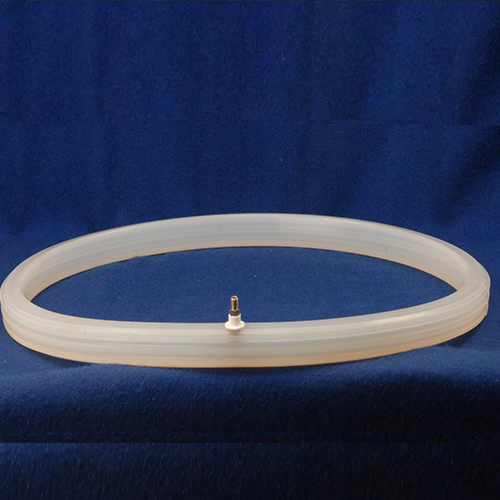
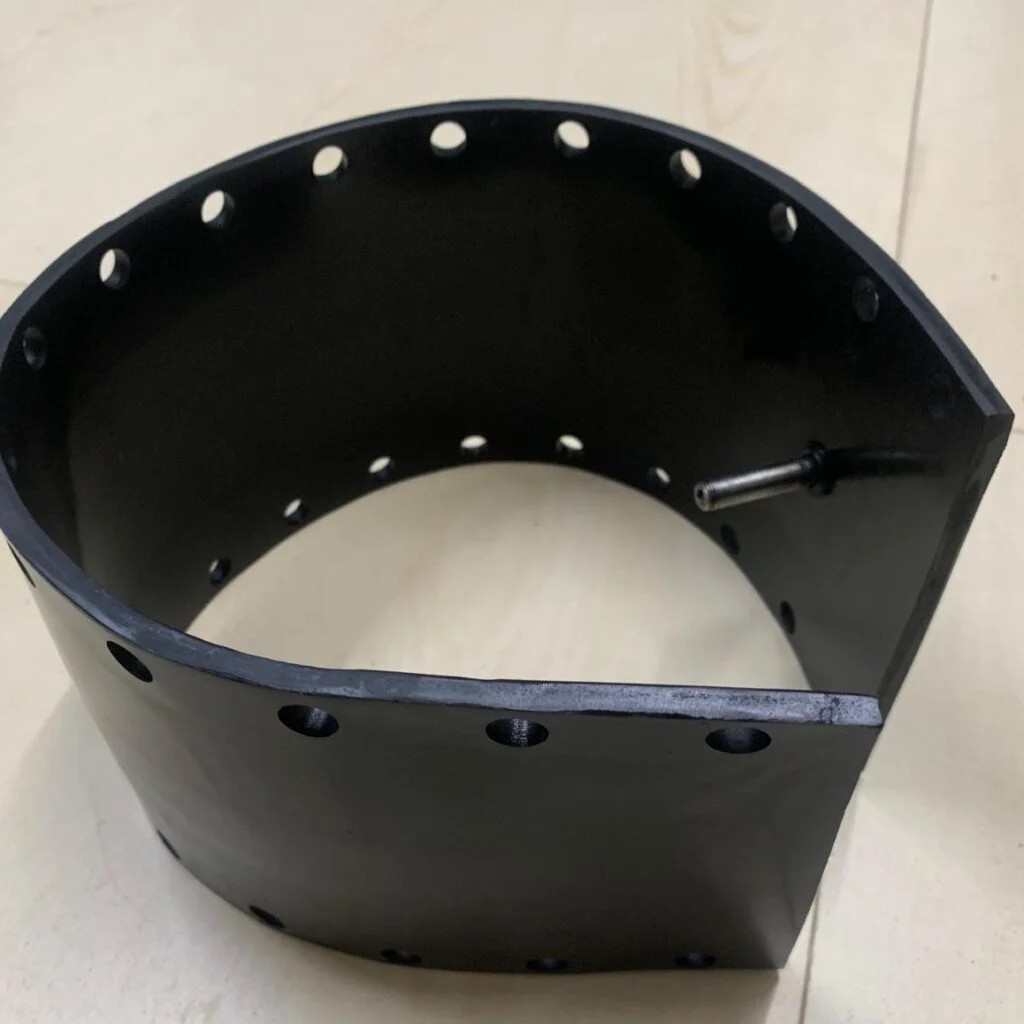
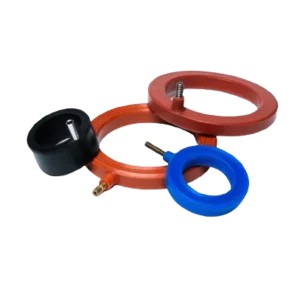
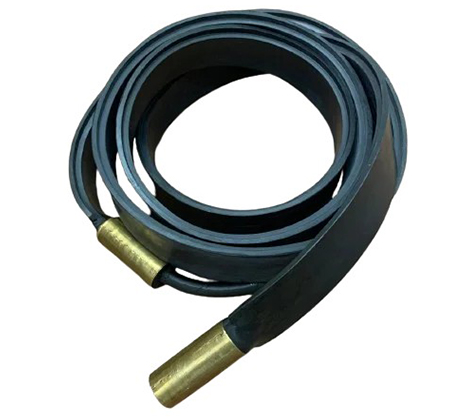
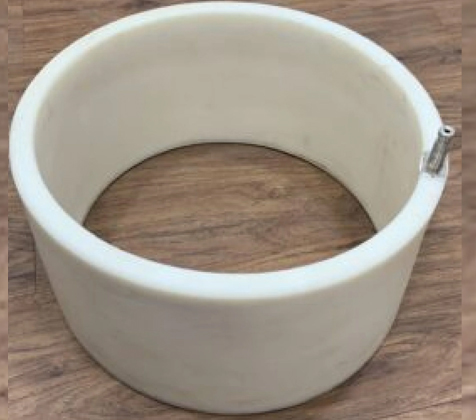
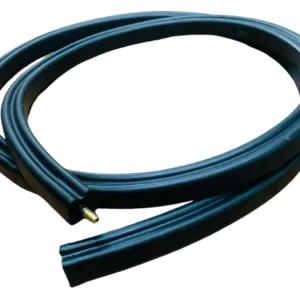
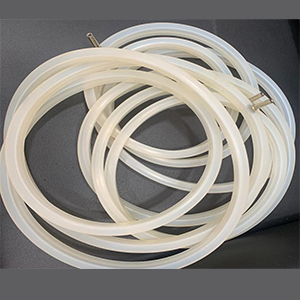
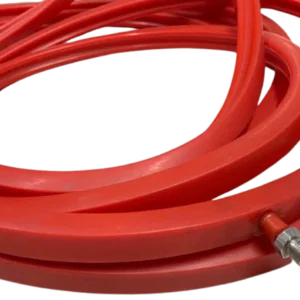
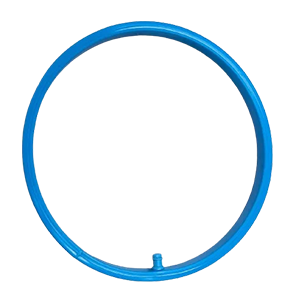
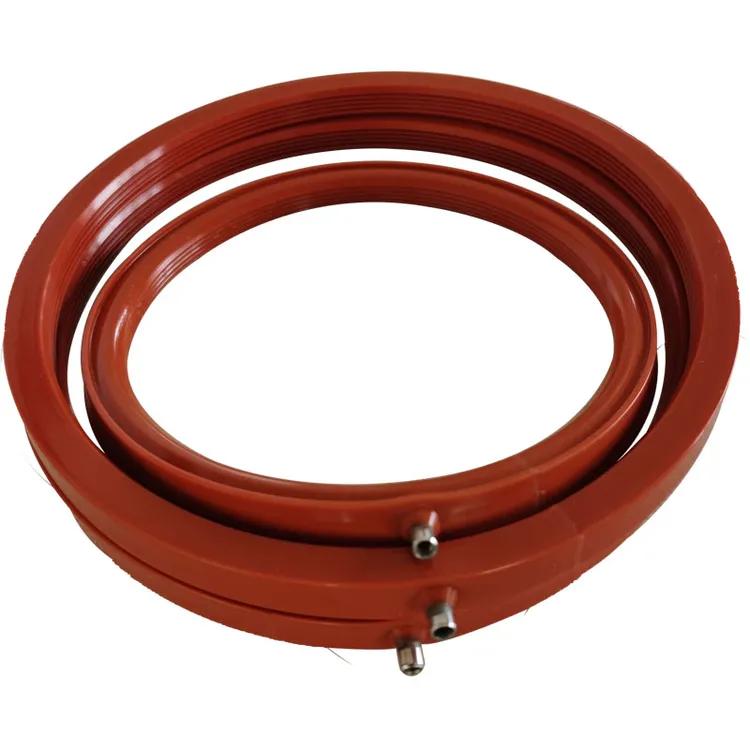
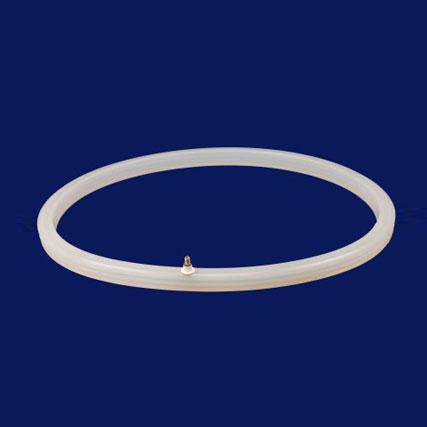
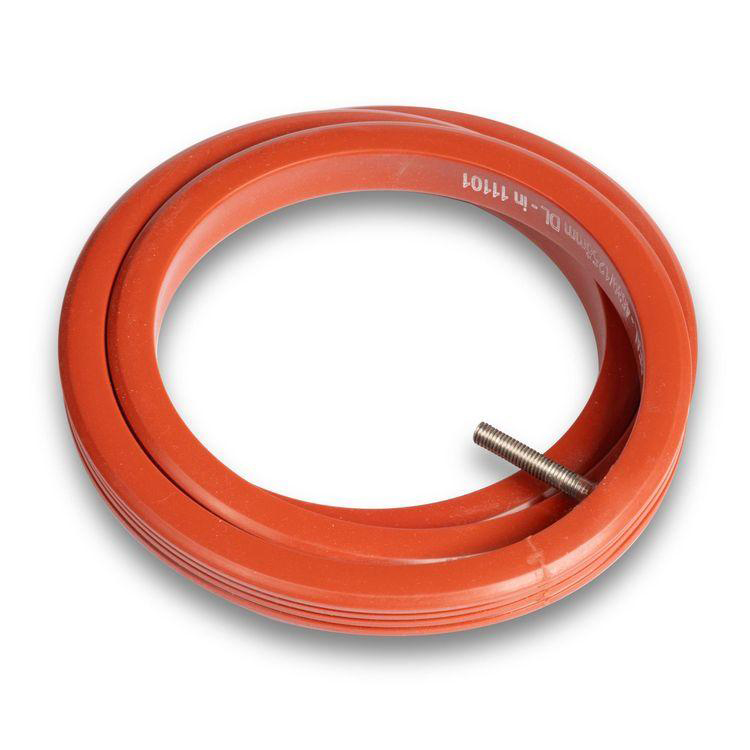
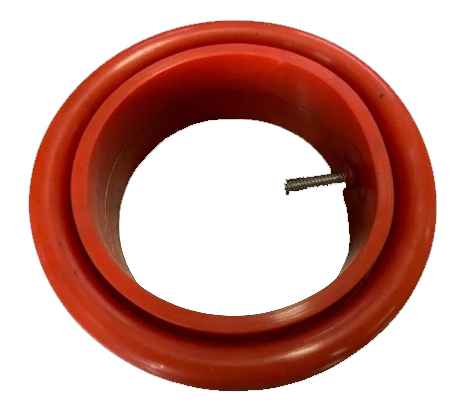
Inflatable Rubber Seals for Leak Test are specially designed sealing components used to create a temporary, controlled and reliable seal during leak testing, pressure testing and functional testing of industrial components.
The seal is installed around or inside the component being tested and inflated using controlled air or gas pressure. As the seal expands, it conforms to the sealing surface and closes the test area, allowing the component to be tested without permanent mechanical sealing.
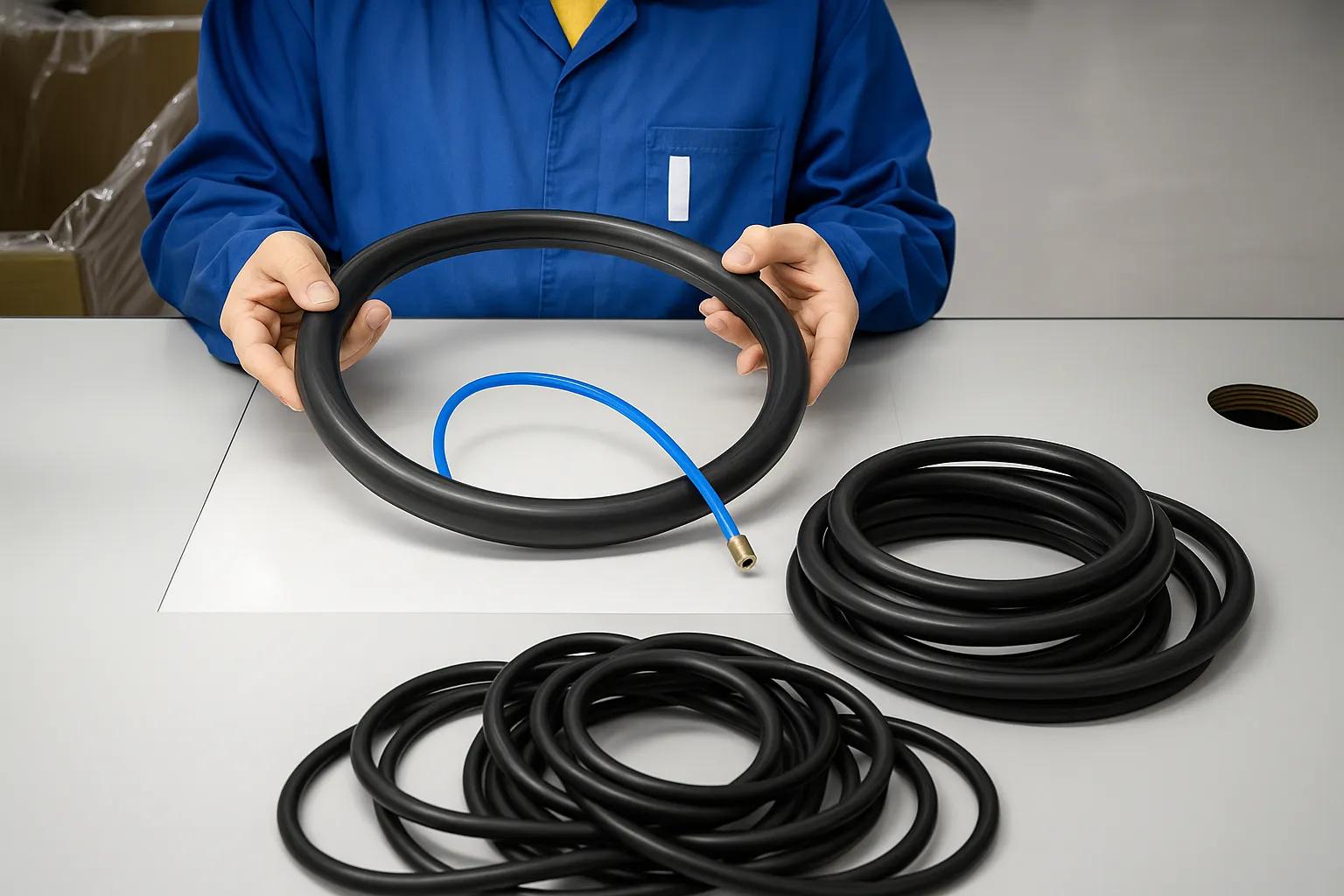
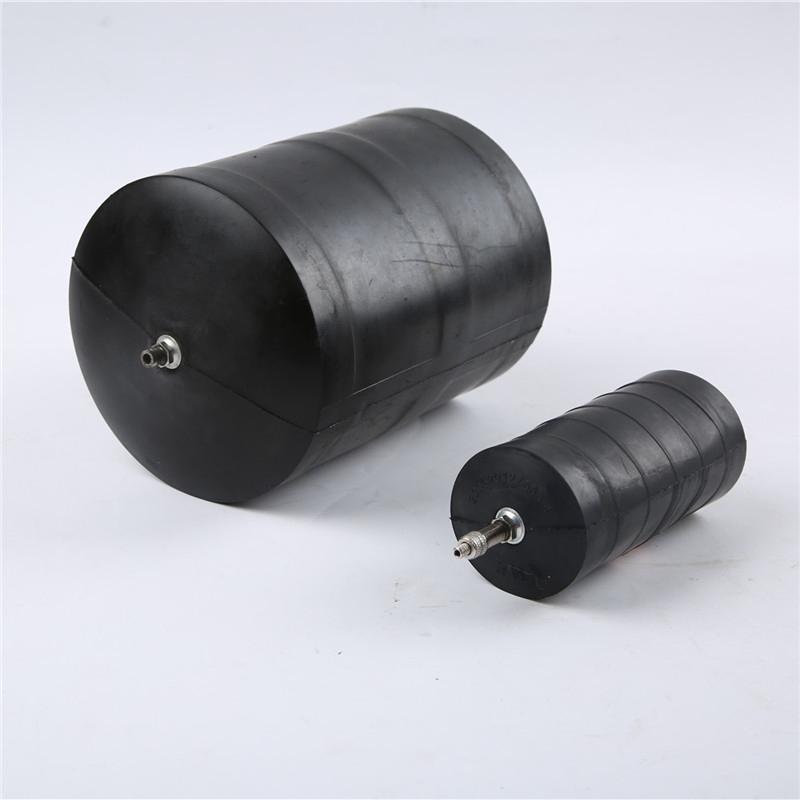
Bombay Rubber & Carbon Works has developed small-diameter inflatable rubber seals for precision applications where conventional seals may not provide the required flexibility or controlled sealing. The company's product information specifically highlights their use in leak-testing processes and applications involving small diameters.
These seals can be customized according to the component geometry, sealing diameter, inflation pressure, operating temperature and testing requirements.
| Parameter | Typical / Available Specification |
|---|---|
| Product | Inflatable Rubber Seal for Leak Test |
| Product Type | Pneumatic Inflatable Seal |
| Primary Function | Leak Testing / Pressure Testing |
| Construction | Extruded / Moulded Inflatable Rubber |
| Material | Silicone, EPDM, NBR, FKM / Viton®, Neoprene & other compounds |
| Featured Material | High-Strength Platinum Silicone |
| Inflation Medium | Compressed Air / Suitable Gas |
| Expansion | Radial / Axial / Face Expansion depending on design |
| Profile | Custom Profile |
| Diameter | Small Diameter & Customized Sizes |
| Available Small Seal Range | From approximately 25 mm; smaller sizes can be developed according to requirements |
| Pressure Capability | Application-dependent |
| Reinforcement | Optional Fabric Reinforcement |
| Operating Temperature | Material dependent |
| Hardness | Application-specific |
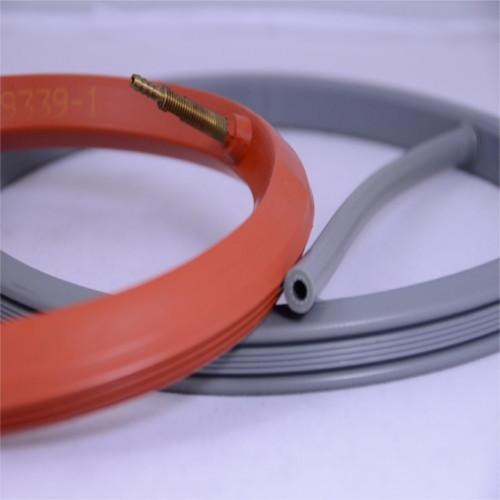
| Connection | Customized Inflation Port / Rubber Nozzle / Fitting |
| Configuration | Straight, Ring, Endless or Custom Geometry |
| Cycle Life | Application and material dependent |
| Manufacturing | Moulded / Customized Construction |
Bombay Rubber & Carbon Works states that small-diameter inflatable seals are available from approximately 25 mm to 500 mm, with smaller and non-standard/larger diameters possible according to customer requirements. Their product information also describes a small-diameter seal developed for an auto-coupler application capable of withstanding 10 bar pressure. Final pressure ratings should always be established for the exact seal design and test application.
- Designed specifically for leak-testing applications
- Suitable for small-diameter sealing applications
- Controlled pneumatic expansion
- Reliable temporary sealing
- Accommodates variations in sealing surfaces
- Quick inflation and deflation
- Easy installation and removal
- Suitable for repeated testing cycles
- High flexibility and conformability
- Available in different elastomer materials
- Custom profiles and dimensions available
- Suitable for automated and semi-automated testing systems
- Can be engineered for specific pressure and temperature requirements
- High-strength platinum silicone available for specialized applications
Silicone
Silicone is particularly useful where flexibility, temperature performance and clean sealing are required.The product page specifically identifies High Strength Platinum Silicone as a feature for this leak-test seal.
Recommended for:
• Leak-testing fixtures
• Medical components
• Pharmaceutical equipment
• Food-processing equipment
• Clean applications
• High-temperature applications
• Precision testing systems
Advantages:
• Excellent flexibility
• Wide temperature capability depending on compound
• Good aging resistance
• Good weather and ozone resistance
• Suitable for specialized clean applications
NBR / Buna-N
Nitrile rubber is a practical choice where the seal may come into contact with oils, fuels and petroleum-based fluids.Recommended for:
• Automotive component testing
• Hydraulic components
• Oil-related equipment
• Industrial machinery
• Fuel-system testing
EPDM
EPDM is suitable for applications involving water, steam, weather and outdoor environments.Recommended for:
• Water-system testing
• Pipe components
• Valves
• Outdoor equipment
• General industrial testing
EPDM is generally not preferred where significant exposure to petroleum oils or fuels is expected.
FKM / Viton®
FKM / Viton® can be selected when the testing environment involves elevated temperature, fuels, oils or aggressive chemicals.Recommended for:
• Automotive testing
• Fuel-system testing
• Oil & gas components
• Chemical equipment
• High-temperature applications
Neoprene
Neoprene provides a combination of flexibility, mechanical strength and weather resistance.Recommended for:
• General industrial testing
• Outdoor equipment
• Marine applications
• Machinery testing
The final elastomer should always be selected based on the test medium, temperature, pressure, cycle frequency and environmental exposure.
Recommended for: Leak-testing fixtures, medical components and precision testing systems.
High-strength platinum silicone offers excellent flexibility and wide temperature capability, making it a versatile choice for precision leak-testing applications.
Advantages for Leak-Testing Systems
Precision SealingThe inflatable design allows the seal to conform to the test surface and create reliable contact.
Quick Operation
Inflation and deflation can be controlled pneumatically, allowing rapid test cycles.
Reusable Design
Depending on the material and application, the seal can be designed for repeated inflation and deflation cycles.
Small-Diameter Capability
Specialized small inflatable seals can be produced for applications where conventional sealing components cannot easily fit.
Custom Engineering
The profile, dimensions, material, inflation connection and expansion characteristics can be customized according to the testing fixture.
How It Works
1. PositioningThe inflatable seal is positioned around, inside or against the component that requires leak testing.
2. Component Closure
The test fixture or component is brought into its testing position.
3. Inflation
Controlled air or gas pressure is introduced into the inflatable seal.
4. Seal Expansion
The seal expands and makes contact with the test surface, creating a temporary airtight barrier.
5. Leak Testing
The component is pressurized or subjected to the required test procedure while the seal maintains the boundary required for testing.
6. Deflation
After testing is completed, the inflation pressure is released and the seal retracts, allowing the tested component to be removed.
This inflate-and-deflate operating principle makes inflatable seals particularly useful for applications requiring frequent testing and repeated component loading/unloading.
Design & Selection Guide
For accurate seal selection, the following information should be considered:• Component drawing
• Internal or external sealing diameter
• Minimum and maximum sealing gap
• Required expansion
• Test pressure
• Inflation pressure
• Test medium
• Operating temperature
• Required leakage limit
• Number of test cycles
• Available installation space
• Required material
• Chemical exposure
• Manual or automated testing
• Required connection / inflation port
For higher-pressure applications, fabric reinforcement may be considered. Bombay Rubber & Carbon Works's general inflatable-seal guidance indicates that many standard applications operate around 1–3 bar, while specially engineered high-pressure seals require appropriate design and reinforcement.
Custom Manufacturing
Every leak-testing fixture has different dimensional and performance requirements.We can develop customized inflatable rubber seals based on:
Drawing → Material Selection → Profile Development → Prototype → Testing → Final Production
Customers can provide a sketch, drawing or sample component for evaluation and customized seal development. The manufacturer's product page specifically invites customers to provide their sketch or drawing for development.
Engineered for Precision Leak Testing
Inflatable Rubber Seal for Leak Test — Reliable, repeatable and customized sealing for industrial testing applicationsPrecision Sealing | Quick Inflation & Deflation | Custom Profiles | Multiple Materials | Leak & Pressure Testing
Leak Testing
Inflatable seals provide a temporary sealing boundary for testing components for leakage.Applications include:
• Pipes
• Tubes
• Valves
• Fittings
• Connectors
• Automotive components
• Hydraulic components
• Industrial assemblies
The product is specifically designed for leak-testing applications where a reliable temporary seal is required.
Pressure Testing
The seal can be incorporated into test fixtures where a component must be isolated and pressurized during testing.Typical applications:
• Pressure testing fixtures
• Component validation
• Valve testing
• Pipe testing
• Connector testing
• Automotive testing
Automotive Component Testing
Small-diameter inflatable seals are useful for testing components with complex geometries and limited sealing space.Potential applications include:
• Auto couplers
• Fuel-system components
• Pipes and tubes
• Valves
• Connectors
• Fluid-transfer components
Bombay Rubber & Carbon Works specifically references a small-diameter seal developed for an auto-coupler application.
Valve Testing
Inflatable seals can be incorporated into valve-testing fixtures to isolate sections of the component during pressure or leakage testing.Applications include:
• Industrial valves
• Control valves
• Process valves
• Hydraulic valves
• Pneumatic components
The manufacturer's product information also identifies valve designs among the applications for this type of inflatable seal.
Pipe & Tube Testing
Inflatable sealing technology can be used to temporarily close pipe or tube sections during pressure and leak tests.It is especially useful where conventional mechanical plugs or fixed gaskets would make repeated testing slower or more difficult.
Industrial Quality Control
Inflatable leak-test seals can be integrated into production-line testing fixtures for repeatable component inspection.Benefits include:
• Faster component loading and unloading
• Repeatable sealing
• Reduced manual intervention
• Easy pneumatic control
• Compatibility with automated test systems
• Suitable for high-volume testing environments
Fabric-Reinforced Options
For applications requiring higher pressure capability or additional mechanical strength, inflatable seals can be manufactured with fabric reinforcement.Fabric reinforcement helps increase the pressure capability and dimensional stability of an inflatable seal. Bombay Rubber & Carbon Works states that its reinforced inflatable seals are designed for higher-pressure applications and can be engineered with different reinforcement fabrics according to temperature and pressure requirements.
Benefits of Fabric Reinforcement
• Higher pressure capability
• Improved dimensional stability
• Better resistance to deformation
• Suitable for demanding industrial applications
• Improved durability under repeated operation
The appropriate reinforcement should be selected according to the test pressure, temperature, cycle frequency and required expansion.